


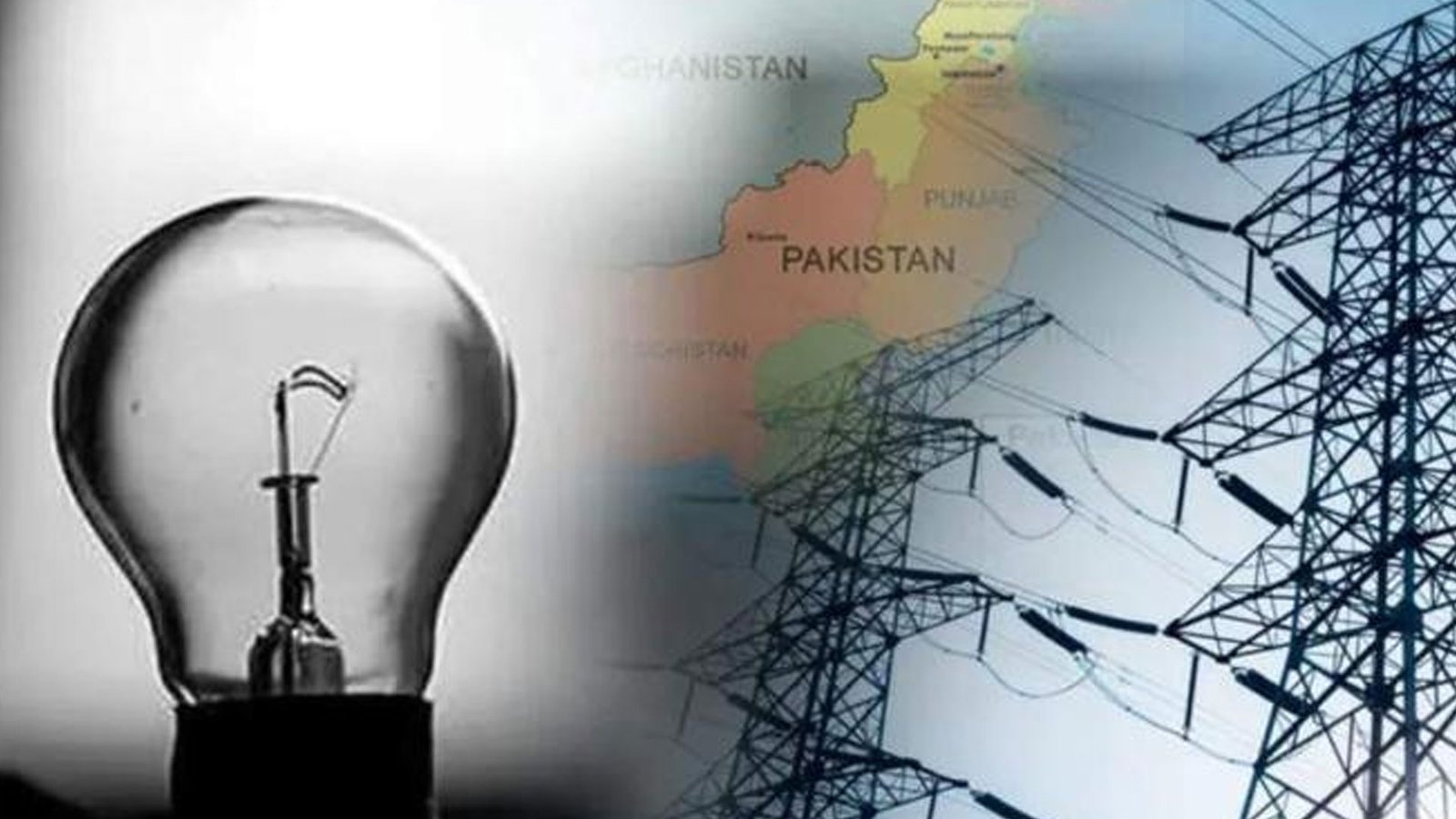
Web Desk: Government has decided to immediately double the supply of locally produced natural gas to the power sector, aiming to curb rising electricity tariffs and unannounced load shedding, according to media reports and officials familiar with the matter.
The move comes as authorities scramble to stabilize an energy system strained by expensive imported fuels and growing public pressure over power outages and high utility costs.
Officials are making urgent arrangements to increase gas supply to power plants from the current 85–90 million cubic feet per day (mmcfd) to around 170 mmcfd by late April or early May.
The planned increase is expected to reduce reliance on costly imported liquefied natural gas (LNG), which has driven up electricity generation costs in recent months.
Federal Energy Minister Awais Ahmed Khan Leghari issued a stark warning during a recent meeting of the cabinet’s special committee on petroleum pricing and supply.
He said that unless additional domestic gas is diverted to the power sector as a substitute for LNG, the country would face either a significant increase in electricity tariffs or widespread load shedding due to rising fuel costs.
During the meeting, policymakers debated whether to prioritize relief for roughly 30 million electricity consumers or maintain gas supply to around 7 million gas users.
The discussion highlights the government’s difficult balancing act as it reallocates limited domestic energy resources among competing sectors.
The government is also considering diverting an additional 25 mmcfd of gas from the compressed natural gas (CNG) sector to support electricity generation.
However, officials aim to protect gas supplies to the fertilizer sector as much as possible to avoid a shortage of urea, a key agricultural input.
Authorities have also decided to closely monitor urea stocks, citing concerns over potential smuggling driven by the large price gap between locally produced urea, priced at about 4,500 rupees, and imported urea, which can cost up to 15,000 rupees.
For domestic consumers, reduced gas availability could leave liquefied petroleum gas (LPG) as the only alternative fuel.
However, LPG prices have already surged to nearly double the rates set by the regulator, raising concerns that weak enforcement could impose an additional financial burden on households.
Pakistan’s energy sector is currently grappling with a severe “fuel choice” crisis, as high global LNG prices and limited availability have increased reliance on domestic gas reserves.
The government now faces a politically and economically sensitive decision over whether to cut gas supply to households, industry, or agriculture in order to sustain electricity generation.
Leghari’s remarks underscore mounting pressure on policymakers, as further increases in electricity prices risk exceeding public tolerance, leaving greater use of cheaper domestic fuel as one of the few remaining options.
Read more: Forget charging: This new nuclear battery lasts over 100 years