


Web Desk: Upcoming federal budget may raise taxes on solar panels and hybrid vehicles, increasing costs for consumers while supporting the country’s struggling power sector, according to a budget preview released by Topline Securities.
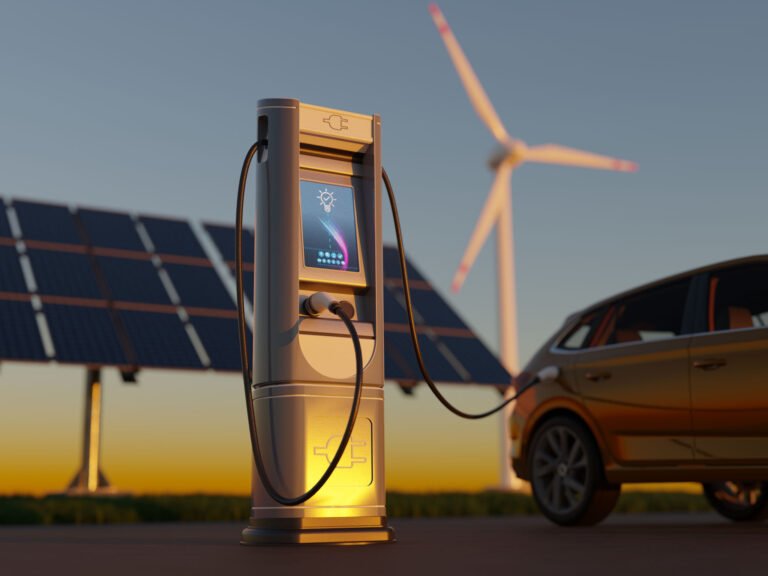
The report said the government may raise the general sales tax (GST) on solar panels from 10 percent to 18 percent. The increase could slow the shift toward solar energy among households and businesses seeking relief from high electricity prices.
The higher tax may also help power producers. Fewer consumers may move away from the national electricity grid if solar systems become more expensive.
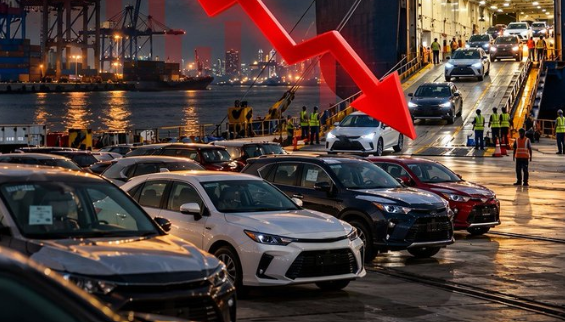
Meanwhile, the government may also raise GST rates on hybrid electric vehicles (HEVs) as part of wider revenue measures in the 2026 budget.
Hybrid vehicles with engine capacities up to 1800cc may face a GST increase from 8.5 percent to 18 percent. Larger hybrid vehicles could see taxes rise from 12.75 percent to 25 percent, the report said.
However, officials are also considering a New Energy Vehicle framework. The policy aims to encourage local assembly and production of environmentally friendly vehicles in Pakistan.
In the energy sector, the government may allocate about Rs. 830 billion in subsidies. The funds would help contain circular debt and support electricity tariff adjustments.
The subsidies may also support power distribution companies and K-Electric.
Officials want to balance revenue generation with industrial and energy policy goals. However, analysts say the higher taxes could make clean energy products and fuel-efficient vehicles more expensive for consumers.
Pakistan is expected to unveil the federal budget next month. The government aims to stabilize public finances, manage energy-sector liabilities and continue economic reforms.
Read more: News licensing relief brings huge benefit for solar consumers