


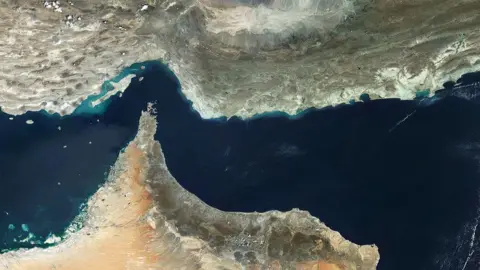
Web Desk: Iran reopened the strategic Strait of Hormuz on Friday following a 15-day ceasefire. However, senior Iranian officials confirmed they will impose strict daily limits on vessel traffic.
The 15-Ship Quota
Tehran will permit no more than 15 ships per day to navigate the narrow waterway. This restriction is a core part of the temporary truce between Iran and the United States. Pakistan facilitated this diplomatic breakthrough through intensive mediation efforts.
A Critical Energy Artery
The Strait of Hormuz remains the world’s most vital energy corridor. It measures only 34 kilometers at its narrowest point between Iran and Oman. During stable periods, approximately 20 million barrels of oil transit the area daily. This volume represents nearly 20% of global consumption. Additionally, the route serves as the main exit for Qatar’s massive Liquefied Natural Gas (LNG) exports to Asia.
Origins of the Crisis
Middle East conflict erupted on February 28 after U.S. and Israeli strikes hit Iranian targets. In response, Tehran shuttered the strait. This move triggered an immediate global energy crisis and sent crude oil prices soaring.
Economic Uncertainty Remains
The reopening offers some relief to global markets despite the 15-ship cap. Experts expect this regulated transit to stabilize prices, yet full capacity remains a distant goal. Historically, the strait handled roughly 140 vessels daily. This new 90% reduction creates a massive bottleneck for global trade.
Leverage in Peace Talks
Under the Pakistan-mediated deal, Iran restored maritime access in exchange for a pause in hostilities. However, the transit limit highlights the fragile peace process. Analysts suggest the cap allows Iran to maintain leverage over energy flows. Meanwhile, the Islamabad Dialogue 2026 continues to seek a permanent resolution to the crisis.
Read more: Pakistan in global spotlight! Iran-US peace talks to be held in Islamabad today