


Pakistan moved to the top of the tri-series table after a commanding seven-wicket win over Sri Lanka. They chased down 128 in just 15.3 overs. The result leaves Sri Lanka winless, with the weakest net run rate in the tournament.
Sri Lanka struggled from the start. Pakistan’s seamers controlled the powerplay. Faheem Ashraf removed Kamil Mishara with a clever slower ball after the batter’s brisk 22 off 11. Soon after, Kusal Mendis was run out while attempting an unnecessary second run. Sri Lanka managed only one boundary after Mishara’s dismissal. They closed the powerplay at 44 for 2.
The middle overs belonged entirely to Mohammad Nawaz. He bowled four overs on the trot and conceded only 16 runs. He did not give away a single boundary. His accuracy and subtle changes of pace created constant pressure.
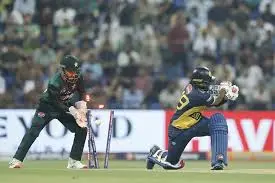
In one outstanding over, he bowled Kusal Perera through the gate and then trapped Dasun Shanaka with a straight delivery. He later removed Mendis with help from a sharp boundary catch by Mohammad Wasim Jr. Sri Lanka eventually reached 128 for 7, with Janith Liyanage’s 41 not out being the lone resistance.
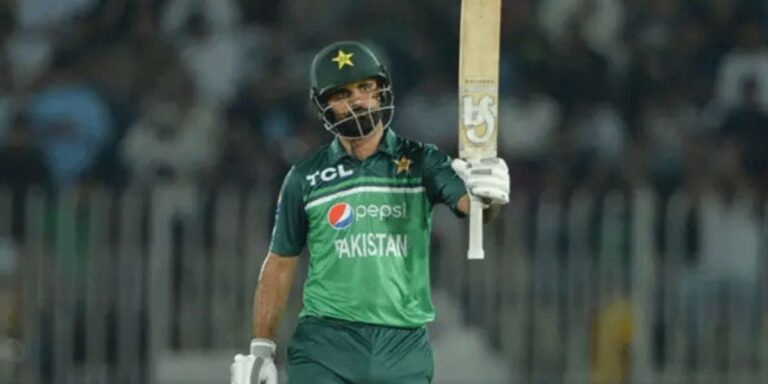
Pakistan’s chase revolved around Sahibzada Farhan. He found his rhythm early. After ten balls, he already had two fours and a six. He kept scoring freely in a broad V down the ground. Legspinners suffered the most. Farhan hit 23 off Wanindu Hasaranga and 21 off V Viyaskanth.
His partnership of 69 with Babar Azam set the tone. Farhan finished unbeaten on 80 from 45 balls, striking five fours and five sixes. He sealed the match with a straight boundary off Eshan Malinga.
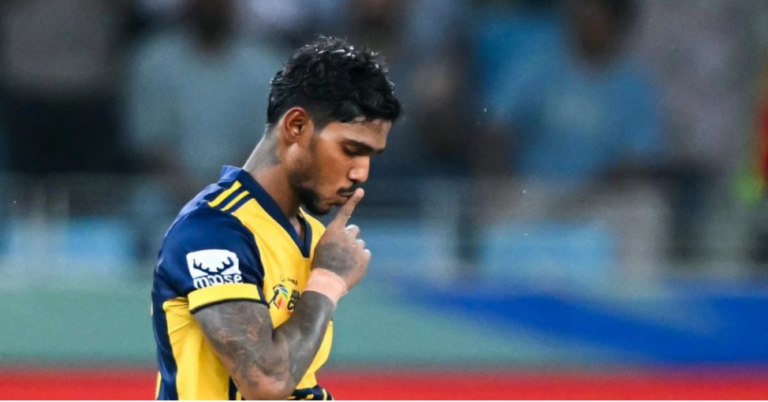
Sri Lanka did witness a historic moment. V Viyaskanth became the first player born and raised in Jaffna to appear in a televised international match. The civil war had long limited cricketing pathways in the north. His four overs went wicketless for 28, but the occasion marked an important step forward for northern Sri Lankan cricket.