


Web Desk: As Pakistan prepares for Eid al-Adha, cities across the country are witnessing a surge in activity at livestock markets, with families buying sacrificial animals, decorating homes and planning traditional gatherings in what is considered one of the most significant events in the Muslim calendar year.
Known as the “Festival of Sacrifice,” Eid al-Adha commemorates the willingness of Prophet Ibrahim (AS) to sacrifice what was most beloved to him in obedience to Almighty Allah. Muslims around the world mark the occasion by sacrificing animals and distributing meat among relatives, friends and the underprivileged.
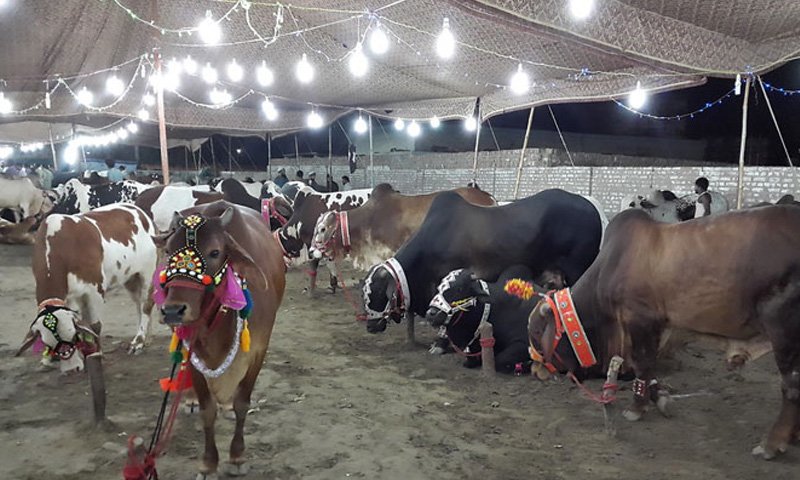
In Pakistan, the festival is celebrated with deep religious devotion, generosity and vibrant social traditions that extend far beyond the day of sacrifice.
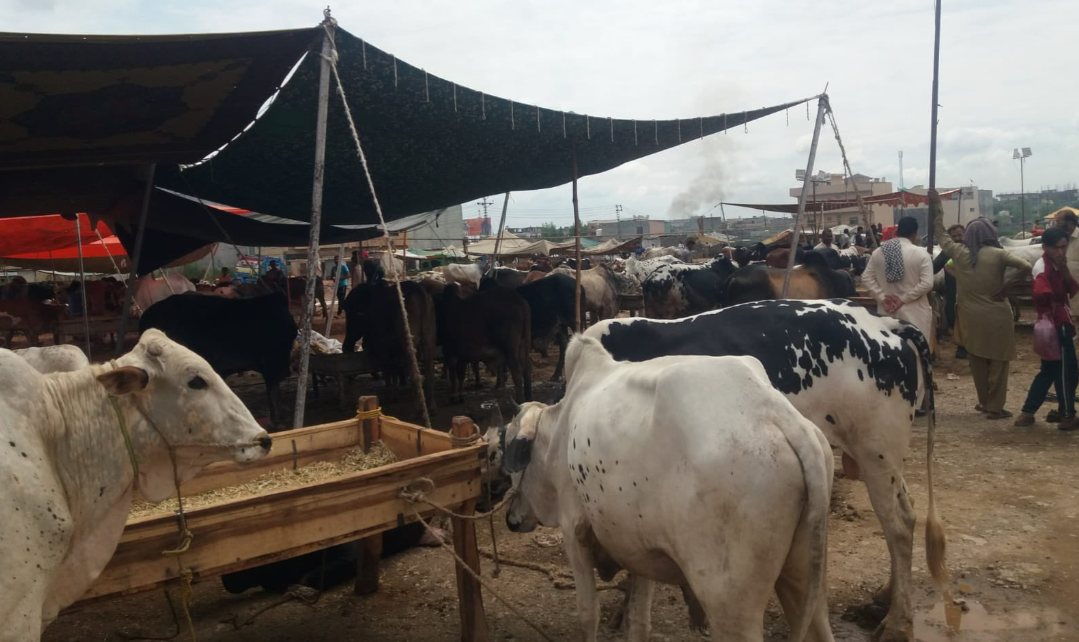
Weeks before Eid, major livestock markets locally known as “maweshi mandis” become crowded with buyers, traders and families searching for animals.
Large mandis in cities including Karachi, Lahore, Islamabad and Peshawar attract thousands of visitors daily during the Eid season.
Among the country’s most prominent cattle markets are Northern Bypass Cattle Market, Shahpur Kanjran Cattle Market and I-12 Maweshi Mandi.
Buyers often spend hours negotiating prices with sellers, while children and young people develop strong emotional attachments to the animals they help care for before Eid.
| City | Major Maweshi Mandis | Key Location / Area |
|---|---|---|
| Karachi | Northern Bypass Cattle Market | Northern Bypass / Super Highway |
| Karachi | Sohrab Goth Maweshi Mandi | Sohrab Goth |
| Karachi | Malir Cattle Market | Malir District |
| Karachi | Super Highway Maweshi Mandi | M-9 Super Highway |
| Lahore | Shahpur Kanjran Cattle Market | Multan Road, Shahpur Kanjran |
| Lahore | Raiwind Maweshi Mandi | Raiwind Road |
| Lahore | Thokar Niaz Baig Cattle Market | Thokar Niaz Baig |
| Lahore | Barki Road Maweshi Mandi | Barki Road |
| Islamabad | I-12 Maweshi Mandi | Sector I-12 |
| Islamabad | Sangjani Cattle Market | Sangjani, GT Road |
| Islamabad | Bhara Kahu Maweshi Mandi | Bhara Kahu |
| Rawalpindi | Pir Wadhai Cattle Market | Pir Wadhai |
| Rawalpindi | Adiala Road Maweshi Mandi | Adiala Road |
| Rawalpindi | Chakri Cattle Market | Chakri Interchange |
| Peshawar | Peshawar Cattle Market | Main Market Area |
| Peshawar | Ring Road Maweshi Mandi | Ring Road |
| Peshawar | Charsadda Road Cattle Market | Charsadda Road |
| Multan | Multan Cattle Market | Main Multan Mandi |
| Multan | Shujabad Road Maweshi Mandi | Shujabad Road |
| Multan | Vehari Road Cattle Market | Vehari Road |
| Faisalabad | Jhang Road Maweshi Mandi | Jhang Road |
| Faisalabad | Sahianwala Cattle Market | Sahianwala |
| Faisalabad | Samundri Road Maweshi Mandi | Samundri Road |
| Hyderabad | Hyderabad Cattle Market | Main Hyderabad Mandi |
| Hyderabad | Tando Jam Maweshi Mandi | Tando Jam |
| Quetta | Quetta Maweshi Mandi | Main Livestock Market |
| Quetta | Sariab Road Cattle Market | Sariab Road |
| Sargodha | Sargodha Maweshi Mandi | Main Sargodha Mandi |
| Sargodha | Bhalwal Cattle Market | Bhalwal |
| Bahawalpur | Bahawalpur Cattle Market | Main Bahawalpur Mandi |
| Bahawalpur | Yazman Maweshi Mandi | Yazman Road |
| Sukkur | Sukkur Cattle Market | Sukkur Bypass |
| Sukkur | Rohri Maweshi Mandi | Rohri Area |
The most commonly sacrificed animals in Pakistan include cows, goats, sheep, camels and buffaloes.
Goats and sheep are especially popular among smaller households, while cows and camels are often purchased collectively by extended families or groups due to their larger size and higher cost.
Traders transport animals from rural farming regions to urban centers weeks ahead of Eid, creating one of the country’s busiest seasonal economic cycles.
The Eid livestock trade generates significant economic activity every year, benefiting farmers, transporters, feed suppliers and small businesses.
Temporary cattle markets established across Pakistan also create seasonal employment opportunities, while related industries including fodder sales, animal accessories and butchers witness increased demand.
For many young Pakistanis, Eid al-Adha is not only a religious event but also a social celebration too centered around livestock, food and community gatherings.
Youngsters frequently participate in feeding, washing and decorating sacrificial animals with colorful accessories, bells and fabrics. Social media activity also rises sharply during the season as families share pictures and videos of prized animals.
Meanwhile, barbecue parties and traditional meals form a central part of the celebrations after the sacrifice takes place.
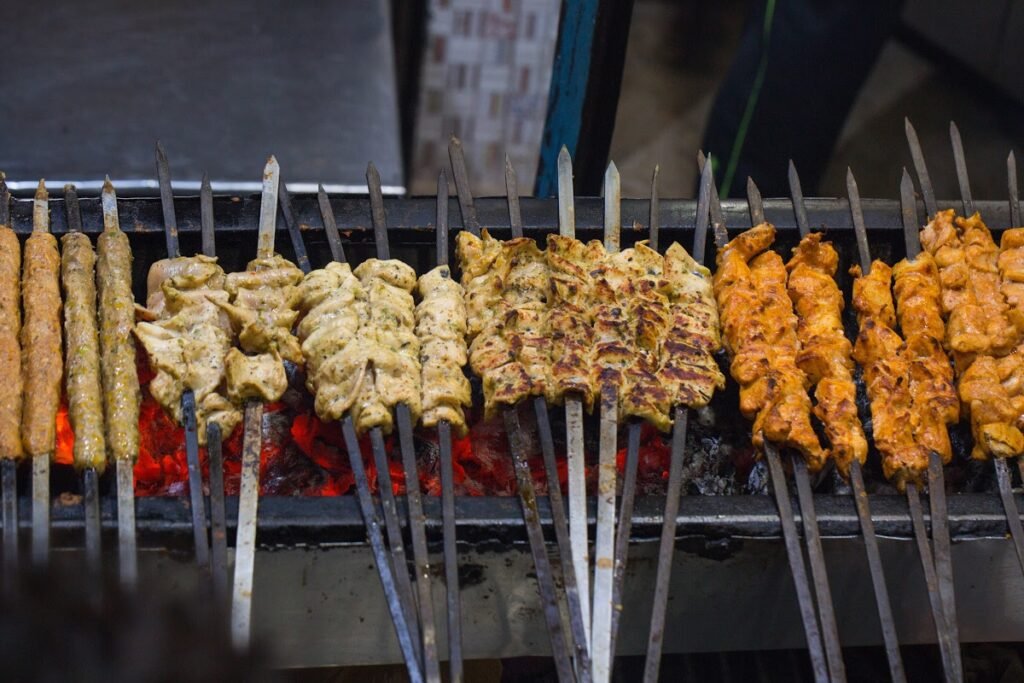
Communities organise gatherings featuring dishes prepared from freshly distributed meat, including kebabs, karahi, biryani and grilled specialties.
The distribution of meat among poorer families remains one of the defining features of Eid al-Adha in Pakistan.
Under Islamic tradition, a significant portion of the sacrificed animal’s meat is donated to relatives, neighbors and people in need, reinforcing values of compassion, equality and collective welfare.
Charitable organisations and volunteers also arrange large-scale meat distribution campaigns in urban and rural areas to ensure disadvantaged communities can take part in the celebrations.
As Eid approaches, the festive atmosphere continues to intensify nationwide, reflecting the enduring religious and cultural importance of sacrifice, generosity and communal unity in Pakistan.