


Web Desk: Pakistan’s upcoming budget is expected to introduce major tax adjustments across key sectors, particularly energy, transport and consumer goods, potentially reshaping costs for households and industry.
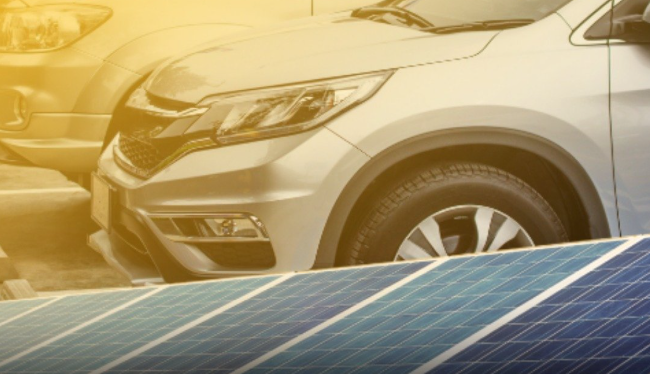
According to a pre-budget analysis by Topline Securities, the federal government is considering raising the general sales tax (GST) on solar panels from 10% to 18%. If implemented, the move could slow the growing adoption of solar energy as an alternative to grid electricity.
Industry observers suggest that higher solar installation costs may also ease pressure on the national power system by discouraging rapid migration away from traditional electricity providers.
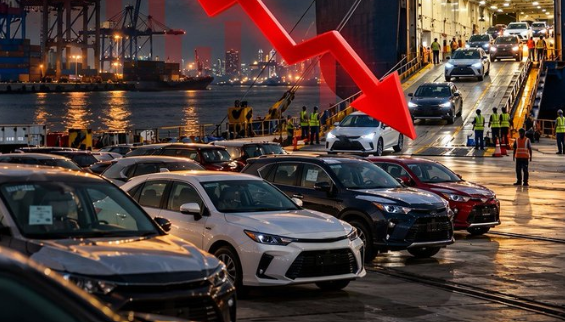
In the automotive sector, authorities are reportedly planning to bring hybrid electric vehicles under standard GST rates. Under the proposal, hybrids with engine capacities up to 1800cc could see tax rates rise from 8.5% to 18%, while larger hybrid vehicles may face an increase from 12.75% to 25%.
At the same time, the government is said to be working on a New Energy Vehicle policy framework designed to promote domestic assembly of environmentally friendly vehicles, even as tax rates on imports or finished units increase.
Separately, the report indicates that around Rs830 billion may be set aside for power sector subsidies. This allocation would help manage circular debt and cover tariff differences, including financial support for distribution companies and K-Electric.
Taken together, these proposed measures suggest a budget strategy aimed at improving revenue collection and supporting broader industrial planning, though they may also raise costs for consumers.
While clean energy and greener transport remain policy goals, the evolving tax structure could make both significantly more expensive in the short term.