Web Desk: Pakistan has secured a landmark victory in the Asian Cricket Council’s board elections, with a Pakistan-backed panel winning all three available director positions at the ACC’s annual general meeting in Bangkok.
The result marks the first time since the council was established that Pakistan has secured all three seats in a single ACC board election, according to media reports.
The outcome also highlights Islamabad’s growing efforts to build support among Asian cricket boards and comes as Pakistan and India continue to compete for influence within the region’s cricket administration.
Voting for the three ACC board director positions took place during the annual general meeting in Bangkok.
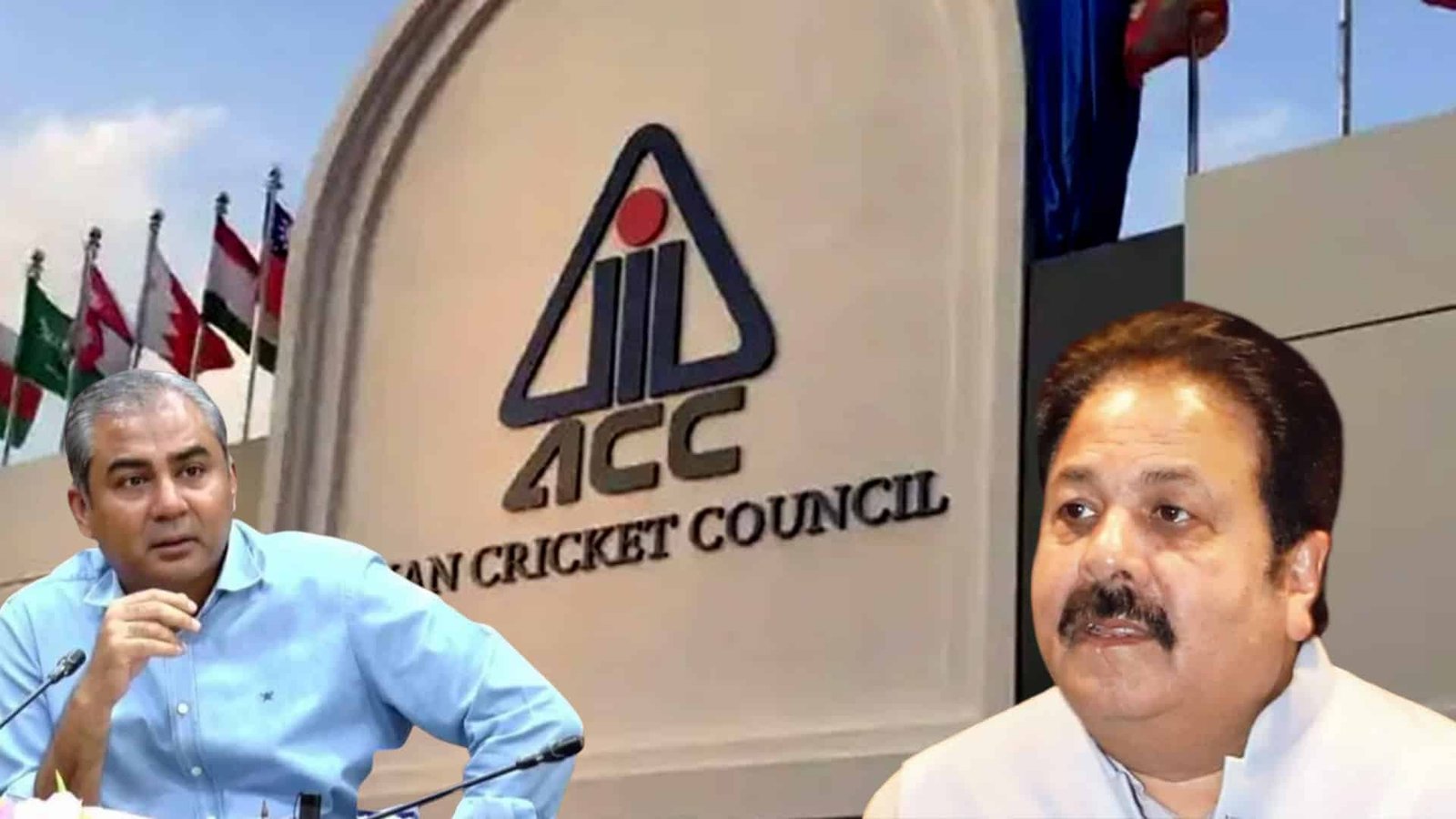
A Pakistan-backed group, led politically by ACC President Mohsin Naqvi, faced a panel supported by the Board of Control for Cricket in India and represented by Rajeev Shukla.
Representatives backed by Pakistan from the cricket boards of Qatar, Singapore and the Maldives won the three contested positions, completing the sweep.
The result gives Pakistan greater representation within the ACC’s decision-making structure and strengthens Naqvi’s position as the council’s president.
The meeting was not limited to the elections. ACC members also reviewed preparations for next year’s men’s Asia Cup in Bangladesh.
Three venues Sylhet, Mirpur and Chattogram were proposed for the tournament, with member boards discussing the arrangements as part of the planning process.
In addition, the council reviewed its annual financial budget and discussed preparations for the women’s Asia Cup, which is scheduled to be held in Dubai.
The election result could have wider implications for the balance of influence within the ACC.
India has traditionally wielded considerable influence in Asian cricket because of the size of its domestic market and the commercial strength of the BCCI. Pakistan, meanwhile, has sought to strengthen its relationships with other member boards and play a larger role in the council’s administration.
The backing received from Qatar, Singapore and the Maldives demonstrates the importance of coalition-building among smaller and emerging cricket nations.
However, the election result alone does not necessarily indicate a permanent shift in the balance of power. The BCCI remains one of the most influential bodies in world cricket, while major ACC decisions generally depend on cooperation among member boards.
Pakistan Cricket Board Chairman Mohsin Naqvi’s role as ACC president has brought renewed attention to Pakistan’s position within the regional body.
The latest election gives the Pakistan-backed bloc greater representation at board level and could provide Islamabad with additional leverage in discussions involving major tournaments, scheduling and the council’s administration.
The ACC was established in 1983 to promote cricket across Asia and strengthen cooperation among the continent’s cricket-playing nations.
For decades, competition between Pakistan and India has also extended into the administration of Asian cricket. The Bangkok vote now gives Pakistan a significant electoral success and an opportunity to expand its influence within the ACC.
The immediate focus will shift to the council’s tournament calendar, financial planning and preparations for the upcoming Asia Cup events.
For Pakistan, however, the significance of the Bangkok election extends beyond three board seats. The result provides evidence that the country can build electoral alliances with other Asian cricket nations and challenge India-backed candidates in formal ACC contests.
Whether that translates into a lasting change in the region’s cricket power structure will depend on how effectively Pakistan uses its new influence in future decisions.