Web Desk: The conflict between Iran, US and Israel is increasingly reverberating beyond the Middle East, with economic pressures, cybersecurity concerns and political calculations emerging as key challenges for the United States even as President Donald Trump signaled a temporary pause in planned military action against Tehran.
Analysts say Washington is beginning to feel the domestic consequences of the prolonged crisis, while diplomatic efforts led by regional powers have created a fragile opening for negotiations.
Paul Musgrave, an associate professor of government at Georgetown University in Qatar, said it was too early to conclude that the confrontation was nearing an end despite Trump’s decision to suspend planned strikes.
“We may be witnessing the first steps toward de-escalation, but both sides continue to engage in strategic messaging,” Musgrave said, describing recent statements from Washington and Tehran as political positioning rather than evidence of a lasting breakthrough.
He said the United States is already experiencing direct economic effects from the conflict, including higher petroleum and liquefied natural gas prices that could place additional pressure on consumers and businesses.
Musgrave also pointed to reports suggesting that suspected Iran-linked cyber activity may be targeting the United States, warning that such incidents could bring the overseas conflict into the American homeland in a more tangible way.
He added that political considerations are likely influencing decision-making in both Washington and the region, noting that upcoming election cycles could encourage leaders to avoid a prolonged military confrontation.
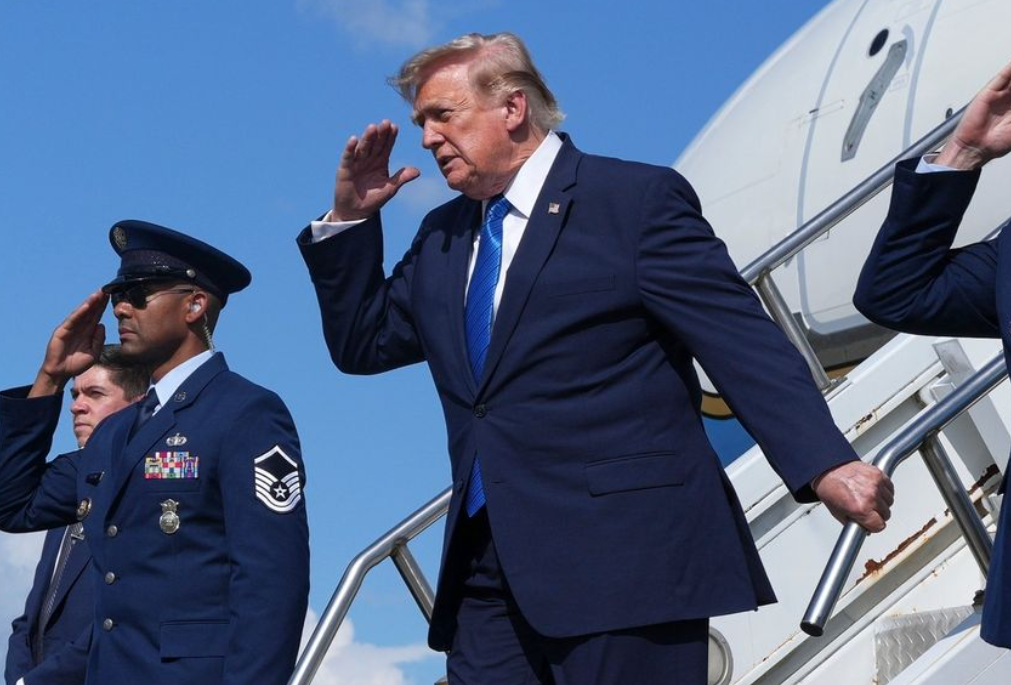
Trump announced late Saturday that the United States would postpone a planned large-scale military strike against Iran, saying the decision was contingent on rapidly reaching an agreement to end months of escalating hostilities.
The president said the outlines of a potential deal had emerged and indicated that military action would remain suspended if diplomatic progress continued. He also demanded the immediate reopening of the Strait of Hormuz and renewed commitments regarding Iran’s nuclear programme.
The announcement marked a significant shift from earlier reports indicating that Washington and Israel had been preparing coordinated strikes against Iranian energy infrastructure and other strategic facilities.
The decision followed intensive diplomatic engagement between Trump and Saudi Crown Prince Mohammed bin Salman, who urged restraint and emphasized the need for dialogue, according to Saudi state media.
The Saudi Press Agency reported that the crown prince stressed that diplomacy offered the best path to reducing tensions and preventing the region from sliding into a broader conflict. He also called for efforts to secure a truce that could pave the way for lasting political solutions while preserving regional stability.
A White House official confirmed that Trump and the Saudi leader spoke by telephone but declined to discuss the contents of their conversation publicly.
According to officials familiar with the discussions, Riyadh expressed concern that major US strikes on Iranian energy infrastructure could trigger retaliatory attacks against Saudi Arabia and other Gulf states.
Meanwhile, Iran maintained a dual-track approach by signaling openness to negotiations while warning that any new military action would trigger a decisive response.
Foreign Minister Abbas Araghchi conveyed the same message during separate conversations with counterparts in Saudi Arabia, Pakistan and Türkiye, emphasizing Tehran’s willingness to continue diplomatic engagement while reserving the right to defend itself if attacked.
Iranian officials also warned that attacks on the country’s energy sector could prompt retaliatory strikes against oil and gas facilities across Saudi Arabia, the United Arab Emirates, Qatar and Israel.
The heightened tensions coincided with reports from Kuwait that Iranian drones targeted several strategic facilities, causing material damage without casualties. Separately, maritime authorities reported two security incidents involving commercial vessels near the Strait of Hormuz, including one tanker struck by an unidentified projectile that damaged its engine room.
Although Trump’s decision to delay military action has reduced immediate fears of escalation, analysts caution that the situation remains highly unpredictable.
Iranian military officials have reiterated their preparedness for an extended conflict if diplomacy fails, while simultaneously keeping negotiation channels open.
The combination of competing military threats, fragile diplomatic contacts and uncertainty over future political decisions has left the region in a precarious position. For the United States, the conflict is no longer only a foreign policy challenge but one with increasingly visible economic, cyber and political implications at home.
Read more: Pak-China military ties based on mutual trust, unwavering cooperation: FM Asim Munir