
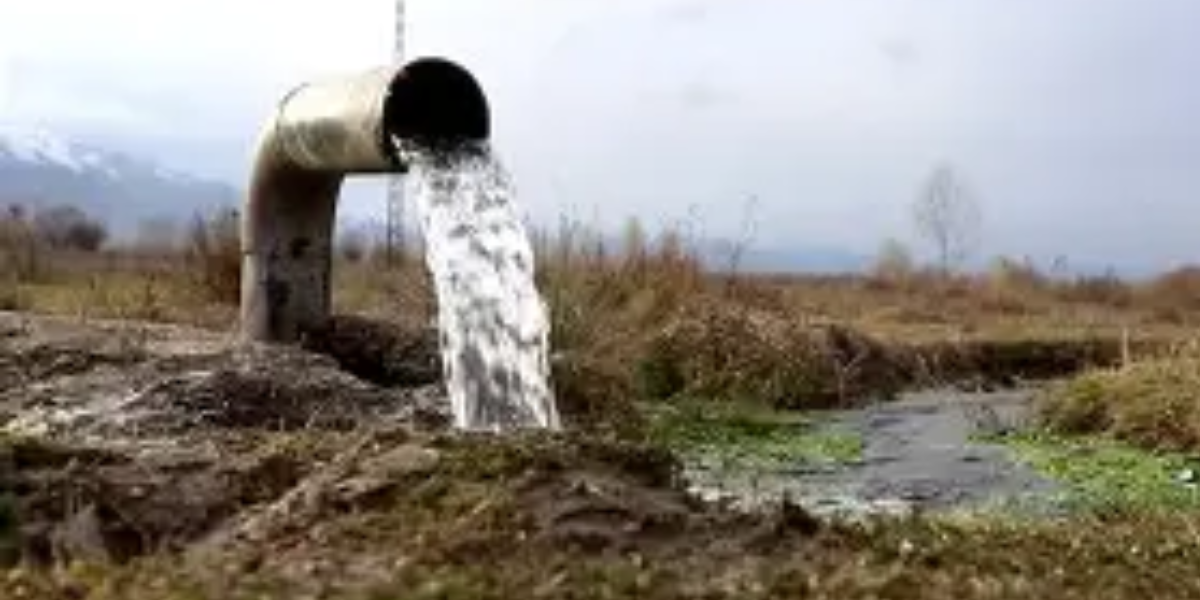
Groundwater levels in Peshawar are declining at an alarming rate, with experts warning that both the quantity and quality of underground water are deteriorating.
In some parts of the city, the water table is dropping by more than one metre each year. Over the past three decades, the average groundwater level across the Peshawar Valley has fallen by around 6.5 metres.
According to experts, groundwater reserves in the valley are under increasing pressure. The annual decline has been recorded at about one metre in Peshawar and 1.3 metres in Nowshera. Rapid population growth, unplanned urban expansion, and the excessive use of tube wells are cited as the main causes.
The latest available study, conducted in 2019, found that the problem extends beyond falling water levels. Nearly 45% of tested water samples were declared unsafe for drinking due to excessive levels of nitrates, suspended particles, and other contaminants.
Experts have stressed the need for comprehensive groundwater monitoring, mandatory registration of tube wells, rainwater harvesting, and responsible urban water use to address the growing crisis.
They warned that unless groundwater extraction is effectively regulated, the Peshawar Valley could face a much more severe water crisis in the coming years.
Environmental experts say groundwater is the basic source of drinking water for most households in Peshawar. Merciless over-extraction without adequate natural recharge not only increases the cost of accessing water but also poses challenges for agriculture, public health, and long-term water security, making sustainable water management an urgent priority.
Also Read: Experts reveal simple habits to support brain, memory