Pakistan is currently passing through one of the most important and sensitive phases in its modern history — a period in which its role on the global stage is being observed, assessed, and re-evaluated from every angle. Under the joint leadership of Prime Minister Shehbaz Sharif and Syed Asim Munir, the country’s foreign and security policy is now increasingly being recognized as coordinated, strategic, and constructive.
Over the past few years, both domestic and international observers have noted a clear shift: Pakistan is no longer focused solely on its own survival but is actively working to help shape regional and global affairs. According to official sources and independent international reports, Pakistan has consistently sought to promote dialogue, reduce tensions, and open avenues for cooperation across South Asia, the Middle East, and beyond.
These efforts have not gone unnoticed. Prominent European media organizations and analysts — including ORF, Trybuna, and Il Post — have highlighted Pakistan as a country serving as a bridge between different parties. At a time when divisions are deepening globally, Pakistan’s leadership has chosen engagement and dialogue over isolation.
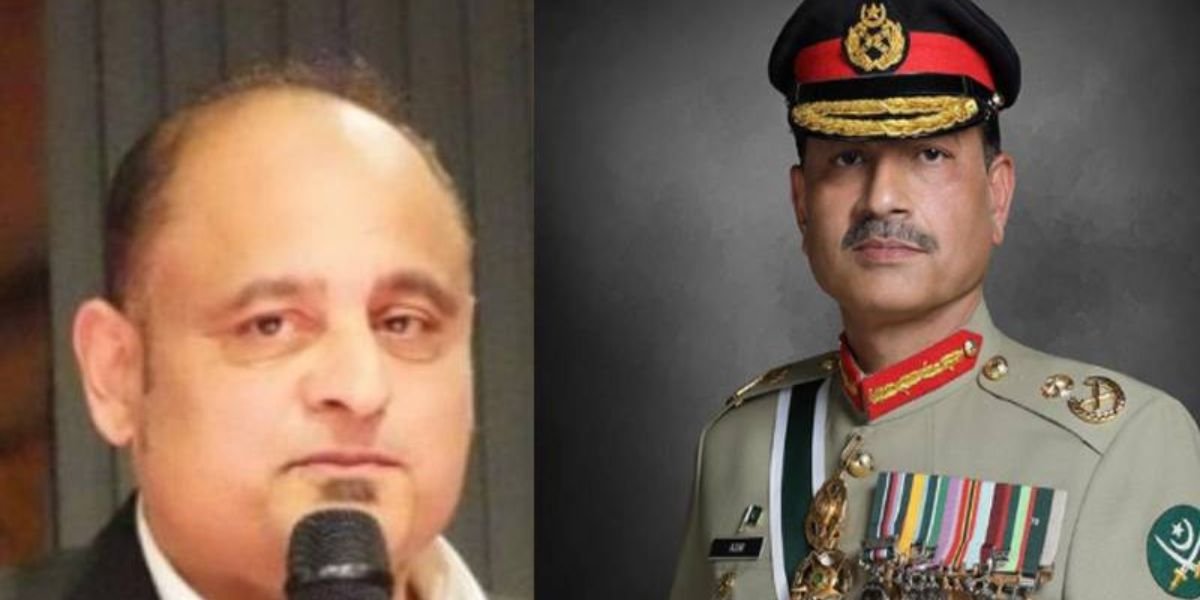
The most notable development in this journey has been the easing of tensions between the United States and Iran and the avoidance of a potential conflict — a development viewed by many as a significant diplomatic achievement. At a time when tensions between the two countries were at their peak and fears of war loomed over the region and beyond, Field Marshal Asim Munir demonstrated prudence, restraint, and realism by playing the role of a voice for peace.
Experts rightly point out that in such complex international matters, no single individual or country can be solely responsible for outcomes; rather, they are the product of multiple actors, shared interests, and lengthy negotiations. Nevertheless, there is broad acknowledgment that Pakistan’s quiet but effective mediation was timely, courageous, and productive.
Field Marshal Asim Munir’s position that conflicts should be resolved through diplomacy rather than force remained a central theme throughout these engagements. Today, in some international circles, he is increasingly being viewed not only as a military commander but also as a “peace envoy.”
Within Pakistan, the overall situation is also viewed positively. Public aspirations for stability, economic improvement, and lasting peace remain strong. Policy and security experts agree that national unity and confidence in state institutions are the foundations upon which progress is built. Under Field Marshal Asim Munir’s leadership, Pakistan’s security framework is said to have gained greater clarity and strength. His emphasis on improved coordination among state institutions is regarded by supporters as a hallmark of responsible governance.
Despite this, political and social differences continue to exist in various parts of the country, particularly in border and tribal regions. The state’s position remains consistent with its national security principles: all issues should be addressed through dialogue, constitutional rights, and peaceful political processes. It is repeatedly emphasized that violence can never provide a lasting solution nor establish sustainable peace.
As Pakistan continues to present itself as a force working for peace, a growing view has emerged among observers, community leaders, and media voices — both within Pakistan and among diaspora communities in the United Kingdom, Europe, and the United States. They argue that contributions toward peace should receive international recognition.
There are increasing calls for the European Union, the United Kingdom, the United States, and other responsible international institutions to formally acknowledge the contributions of Field Marshal Asim Munir. Granting him a “Peace Ambassador Award” or a similar honor, supporters argue, would not merely recognize an individual achievement.
Rather, it would send a broader message that power and peace are not mutually exclusive. True leadership, they contend, is measured not by how effectively one wages war, but by how often one succeeds in preventing it.
It is acknowledged that international awards require established criteria and broad consensus. However, public sentiment among supporters suggests that the time has come for such recognition.
Today, Pakistan stands at an important crossroads. If its leadership, institutions, and people continue moving in the same direction toward shared goals of development, security, and dialogue, the country may be well-positioned to secure a stronger and more respected place among the nations of the world.
For Field Marshal Asim Munir, supporters describe this period as the emergence of a new model of leadership: that of a military leader who earned public trust through his command and used his influence in pursuit of peace. In an increasingly divided world, they argue, such figures are rare — and their efforts deserve recognition, encouragement, and appreciation wherever peace is valued.