
Web Desk: Governments, international organisations and communities around the world marked World Environment Day on Friday amid mounting evidence that climate change is accelerating and reshaping lives across every region of the globe.
This year’s observance, hosted by Azerbaijan in the capital Baku, carries the theme “Inspired by Nature. For Climate. For Our Future.” Organisers say the focus underscores the need for urgent action to address climate risks while advancing sustainable development.
The annual event, observed every June 5, has become one of the world’s largest platforms for environmental awareness and collective action. Millions of people are expected to take part in educational campaigns, policy discussions, tree-planting initiatives and community projects under the global banner #NowForClimate.
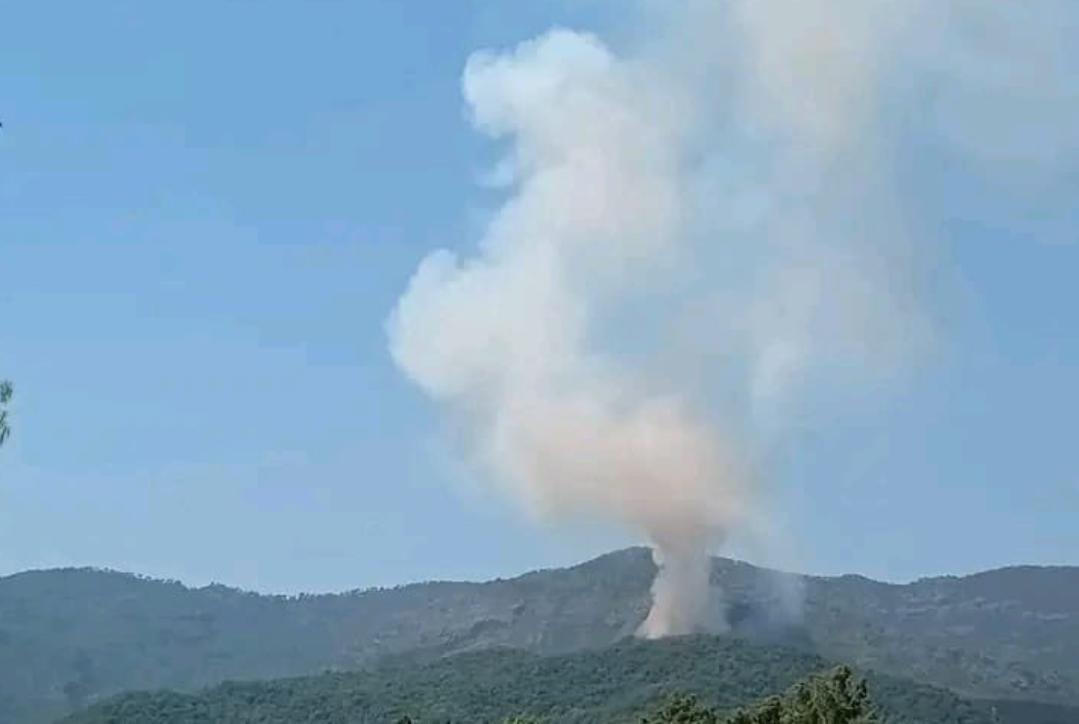
World Environment Day 2026 arrives as scientists report increasingly visible signs of environmental stress, including rising sea levels, prolonged heat waves, destructive wildfires and accelerating glacier loss.
Research published by leading scientific institutions, including the World Meteorological Organization, NASA and the Copernicus Climate Change Service, points to a continued warming trend across the planet.
According to recent assessments, the period from 2015 through 2025 ranks as the warmest decade ever recorded. Global temperatures in 2025 remained roughly 1.43 degrees Celsius above pre-industrial levels, placing the year among the hottest since modern records began.
Climate experts project that annual temperatures between 2026 and 2030 could range from 1.3 C to 1.9 C above pre-industrial averages. They also warn that at least one year during that period could temporarily exceed the Paris Agreement’s 1.5 C threshold.
Meanwhile, rising ocean temperatures and melting ice continue to push sea levels higher. Scientists estimate that average global sea levels have increased by more than 20 centimeters since the late 19th century. Coastal communities and small island nations remain among the most vulnerable to the long-term impacts.
At the same time, climate-related disasters are becoming more frequent and severe.
Europe continues to warm faster than the global average. Heat waves during 2025 contributed to thousands of excess deaths across the continent, while major wildfires scorched large areas of Portugal and Spain.
In North America, devastating wildfires in the Los Angeles region caused unprecedented economic losses, destroyed thousands of buildings and forced tens of thousands of residents from their homes. Elsewhere, severe storms and flash flooding caused widespread damage and fatalities.
Across Asia, communities faced a series of climate-related emergencies. Flooding in Pakistan claimed more than 1,000 lives in 2025, while extreme heat and powerful storms affected parts of India and East Asia. China also experienced significant flooding that resulted in major economic losses.
Africa and Latin America faced a combination of droughts and floods that strained agriculture, water supplies and local economies. Parts of Southern Africa and the Amazon region endured prolonged dry conditions that heightened wildfire risks, while countries including Nigeria and Mozambique battled destructive flooding.
Australia and several Pacific nations entered 2026 confronting intense heat, wildfire threats and growing concerns over the health of coral reef ecosystems affected by warmer oceans and acidification.
Experts say these events reflect broader climatic shifts rather than isolated incidents.
Despite the challenges, the global transition toward cleaner energy accelerated in 2025.
Renewable energy sources, including solar, wind and hydropower, generated a larger share of global electricity than coal for the first time in modern history. Solar power alone accounted for the majority of growth in electricity demand worldwide.
By the end of the year, renewable technologies represented nearly half of installed power-generation capacity globally. Investment in the energy transition reached a record $2.3 trillion, surpassing spending on fossil fuel development and marking continued growth from the previous year.
China and India remained major drivers of renewable energy deployment, while policy initiatives in the European Union and commitments linked to the Paris climate framework helped expand investment and implementation.
However, analysts caution that current progress still falls short of the pace needed to meet long-term climate targets.
Climate specialists and policymakers continue to emphasize the importance of international cooperation in responding to the crisis.
Under the principle of common but differentiated responsibilities, wealthier nations with historically higher greenhouse gas emissions are expected to provide financial and technical support to countries that face the greatest climate risks despite contributing the least to global emissions.
Advocates argue that increased support for vulnerable regions, including small island states, drought-prone agricultural areas and tropical forest ecosystems, remains essential to strengthening resilience and protecting global environmental systems.
The International Organisation for Migration (IOM) used World Environment Day to draw attention to the growing connection between climate change and human mobility.
The agency said climate-related disasters increasingly affect where people can live and work, forcing many communities to confront repeated displacement, crop failures and economic hardship.
IOM officials stressed that affected populations continue to demonstrate resilience by rebuilding homes, adapting livelihoods and developing new coping strategies. They said governments must provide stronger support to help communities prepare for and recover from climate-related disruptions.
The organszation also highlighted the importance of safe housing, secure land tenure and long-term planning as critical components of climate resilience. In its role as co-lead of the Global Shelter, Land and Site Coordination Cluster, IOM advocates for integrating shelter and housing solutions into broader climate adaptation strategies.
In addition, the agency emphasized the role of healthy ecosystems in reducing environmental pressures that drive displacement and in helping communities recover after disasters.
As World Environment Day 2026 concludes, environmental leaders say the message remains clear: climate change continues to affect every region of the world, but collective action can help limit future risks.
They argue that protecting vulnerable communities, accelerating clean-energy investment and strengthening international cooperation will be essential as countries confront a challenge that transcends national borders.
“Climate Action” remains the central call of this year’s observance, urging governments, businesses and citizens alike to move from awareness to implementation as the impacts of a warming world become increasingly difficult to ignore.
Read more: How scientists are using mosquitoes to tackle dengue?