Air pollution has become a major threat to human lives in Pakistan. Around 135,000 people are dying prematurely every year in the country. The Federal Minister for Climate Change has informed the National Assembly.
In a written reply submitted to the National Assembly, it was revealed that toxic air and smog are reducing the average life expectancy of Pakistanis by up to 2 years and 7 months. Fine toxic particles, known as PM2.5, have become the biggest threat to human health. They have caused a significant increase in heart, lung, and respiratory diseases.
The report identifies major cities, especially Lahore and its surrounding areas, as severely affected by smog and hazardous air pollution, calling it a serious public health issue. The situation becomes even worse during winter.
The written reply also warned that Pakistan’s urban population is expected to reach 120 million by 2030, which may further increase air pollution.
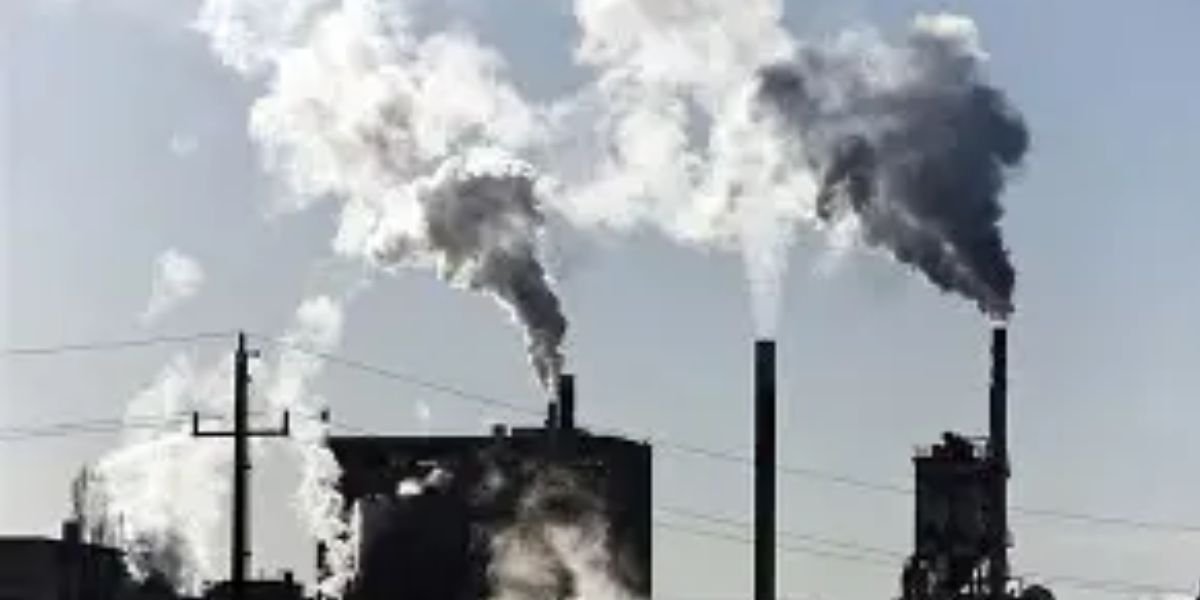
To deal with the situation, the government has accelerated joint efforts at federal and provincial levels under the “National Clean Air Policy 2023.” It has been decided to strengthen monitoring and enforcement against crop residue burning, smoke-emitting vehicles, and factories.
Environmental experts stress that without prudent long-term environmental reforms, including clean energy transition, improved public transport, and industrial regulation, air quality is likely to worsen further, posing an even greater risk to public health in the coming years.
Also Read: Pakistan’s seafood exports surge past $500 million