
Web Desk: Clear communication, strategic thinking and collaboration are emerging as critical drivers of career growth as artificial intelligence and automation increasingly take over routine technical tasks in the workplace, according to industry professionals and workforce analysts.
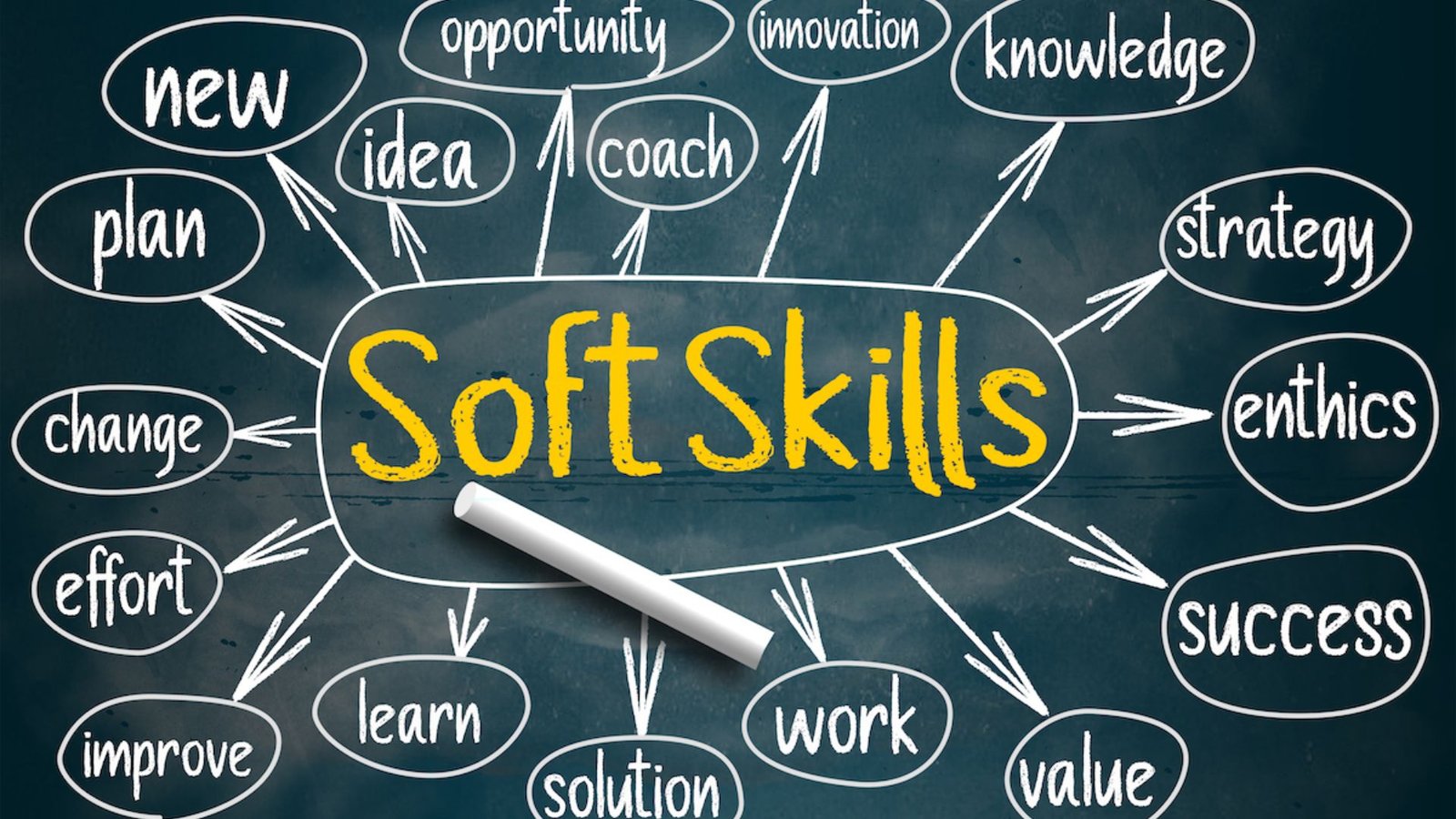
Experts say that while technical expertise remains essential for entering highly specialised fields, long-term career advancement is increasingly determined by so-called “durable skills” such as communication, decision-making, adaptability and the ability to align teams around shared goals.
As organisations integrate AI systems into core operations, employees are finding that the ability to interpret information, coordinate across teams and present ideas effectively is becoming more valuable than execution alone.
Industry observers note that professionals working in technology-heavy roles often rely on technical foundations to secure positions. However, progression within organizations is increasingly linked to visibility, leadership capacity and the ability to advocate for one’s contributions.
In many cases, workers report that success depends not only on technical output but also on understanding organisational dynamics and ensuring that their work is recognized and aligned with broader business priorities.
Employees who actively communicate their impact and engage with decision-makers tend to advance faster than those who focus solely on technical delivery.
Transitioning into roles involving product strategy, management or cross-functional coordination often requires a stronger emphasis on influencing outcomes rather than performing isolated technical tasks.
As a result, professionals are being encouraged to develop skills in storytelling, negotiation and stakeholder management alongside technical competencies.
Recent workforce studies indicate a growing recognition of the importance of soft skills among younger workers. Surveys of early-career professionals show that a large majority consider interpersonal and communication skills essential for career progression, often ranking them alongside or above technical expertise.
This reflects a broader shift in how employability is defined, particularly in industries shaped by rapid technological change.
Experts further argue that as AI systems take on more analytical and repetitive tasks, uniquely human capabilities such as judgment, trust-building and complex decision-making are becoming more valuable.
They caution that skills which can be easily codified or automated are increasingly being standardized, while human-centered abilities continue to differentiate high-performing professionals.
Workforce advisers suggest that employees should view career development as a long-term investment, where the goal is not only immediate earnings but continuous skill growth and increased future market value.
In this context, developing adaptable, human-centric skills is seen as a key factor in ensuring long-term professional resilience in an evolving job market shaped by AI.
Read more: Pakistan gains access to world’s second largest capital market: Finance Minister