
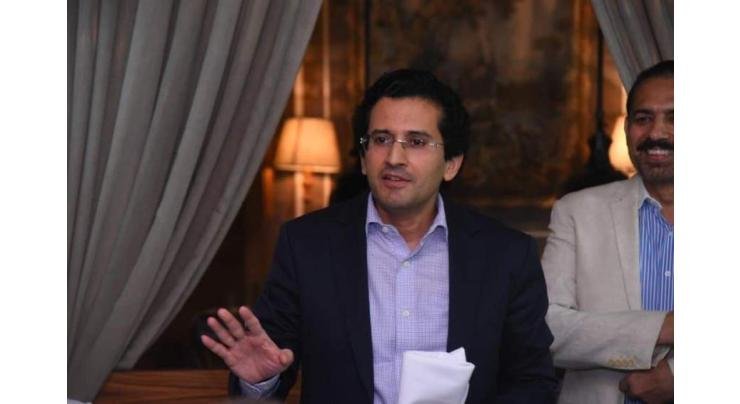
Web Desk: Federal Minister for Energy Ali Pervaiz Malik has defended recent fuel pricing policy after criticism from economists and political circles over an increase in petrol prices that they claim exceeds global market trends.
Officials say the pricing structure reflects broader fiscal considerations and aims to shield key sectors such as agriculture and public transport from excessive cost burdens.
In a communication to a political leader, a senior government minister said the increase in diesel prices had been deliberately cushioned because of its central role in the economy.
Diesel powers agricultural machinery and much of the country’s public transport system. Therefore, officials argued that limiting its price increase helps protect farmers and commuters from a sharper rise in operating costs.
As a result, the petroleum levy applied to petrol and diesel was structured differently.
Authorities said Pakistan consumes roughly similar quantities of petrol and diesel annually. Under the current policy, the petroleum levy stands at about Rs105 per litre on petrol and Rs55 per litre on diesel.
Officials argued that, when averaged, the levy effectively equals around Rs80 per litre on both fuels, meaning the overall fiscal impact remains largely unchanged.
The minister cautioned that mishandling global oil price shocks could destabilize Pakistan’s fragile economy.
He referred to the economic turmoil in 2022, when policy decisions that diverged from market dynamics contributed to severe financial stress and pushed the country close to sovereign default.
According to the minister, maintaining a balanced fuel pricing strategy is essential to avoid repeating such a crisis.
The government also urged political leaders to avoid politicizing national economic decisions.
Officials said sensitive economic matters, particularly those involving energy pricing and fiscal stability, require cooperation across political parties.
However, critics have questioned the government’s calculations, arguing that the latest petrol price increase is about Rs23 per litre higher than the rise in international markets.
The debate highlights the continuing political pressure on the government as it navigates inflation, energy costs and economic stabilisation efforts.
Read more: Freight transporters announce 20% increase in charges