
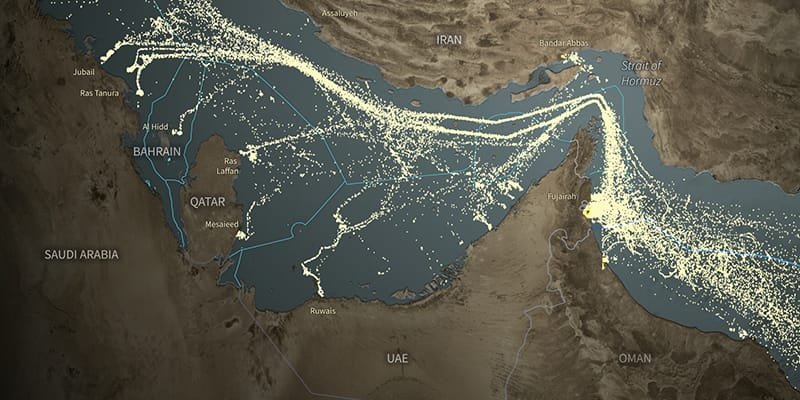
Web desk: Strait of Hormuz is 33 kilometers wide at its narrowest point and carries about 20 percent of the world’s daily oil and gas exports. Recently, Iran closed the strait and warned it will attack or destroy any ship that tries to pass. In response to rising tensions and U.S. and Israeli strikes, Tehran adopted this hardline stance.
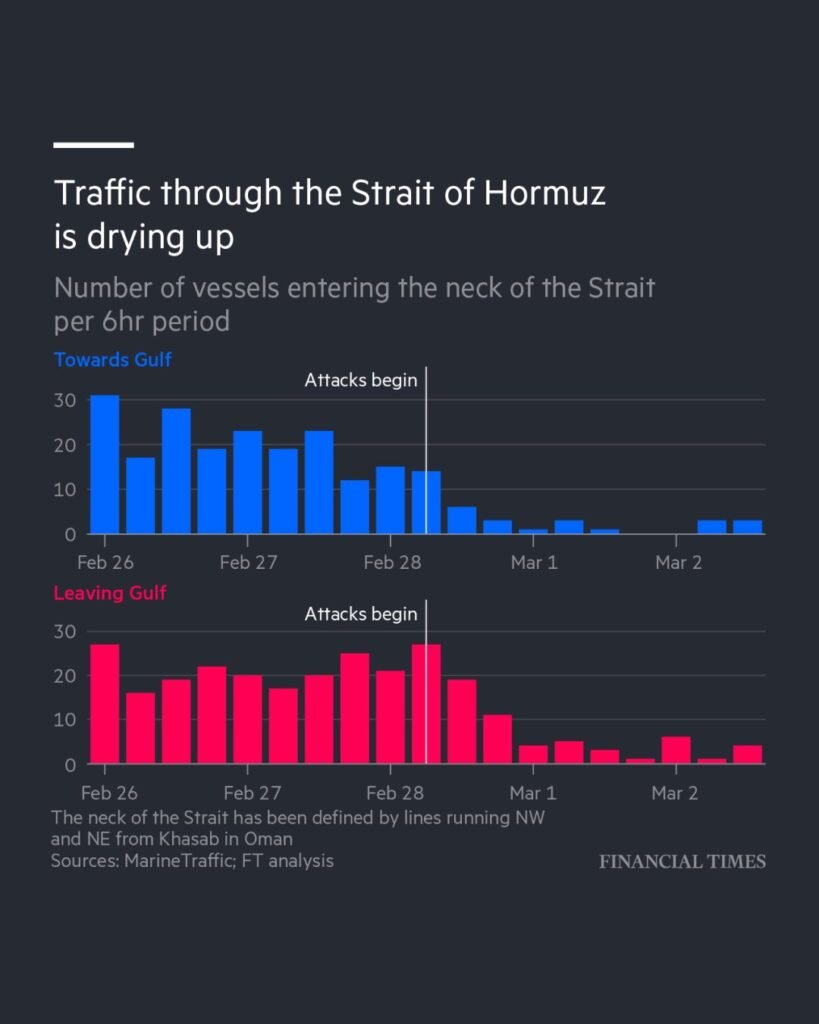
As a result, tanker traffic has dropped sharply. At the same time, insurers have withdrawn war-risk coverage, and shipping firms have suspended transit. Consequently, major Asian carriers, including Japanese and Chinese lines, have diverted vessels to avoid the threat.
Unsurprisingly, the closure has driven global oil and gas prices higher. In addition, freight and insurance rates for tankers have surged. In some cases, insurers have exited the market entirely. Because of these disruptions, supply chains across energy, manufacturing, and retail sectors are under strain.
Meanwhile, U.S. President Donald Trump said the U.S. Navy could escort tankers if necessary. Furthermore, he pledged risk insurance and financial guarantees to stabilize markets. However, analysts warn that naval escorts alone may not remove the danger or quickly lower costs.
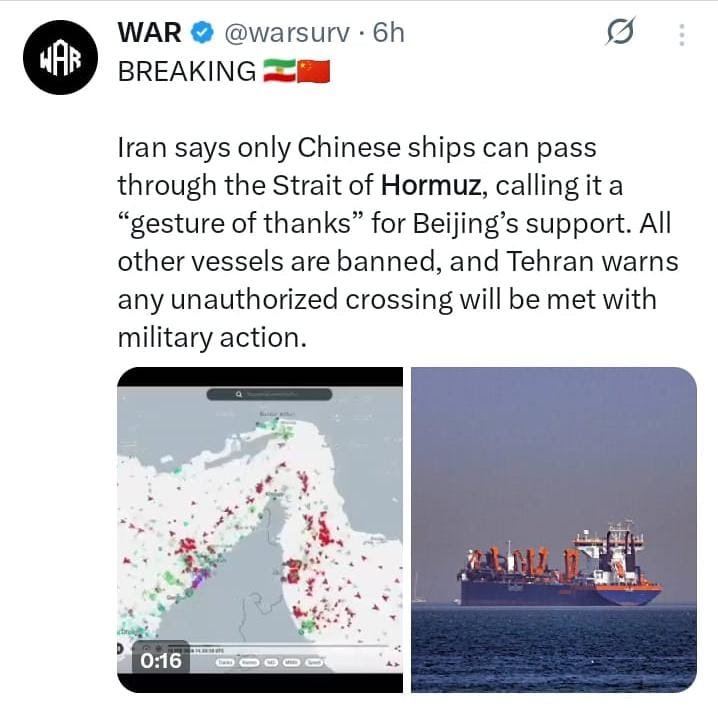
Notably, Iran says it will allow limited transit for selected countries, particularly China. By contrast, it has warned that it will target vessels linked to the United States or its allies. Therefore, uncertainty among global shippers has intensified.
For example, Pakistan relies heavily on imported crude and refined fuels, most of which pass through Hormuz. Now, higher oil prices are lifting petrol and diesel costs. If this trend continues, a larger import bill could strain foreign exchange reserves and weaken the currency.
Similarly, India imports about 85 percent of its crude oil, much of it from Gulf producers. Thus, rising fuel prices will increase transport costs and pressure the rupee. In the long term, the crisis underscores India’s need to diversify suppliers and secure long-term LNG contracts.
Likewise, Japan depends on Middle Eastern oil and LNG for much of its energy. As a consequence, higher input costs will weigh on factories and consumers. Accordingly, Japanese shipping companies have suspended Hormuz routes due to safety concerns.
At the regional level, producers such as Saudi Arabia, United Arab Emirates, Iraq, and Qatar face export losses and possible production cuts. In addition, missile and drone threats endanger refineries and LNG plants.
Globally, higher energy costs are fueling inflation and slowing growth. Because of this, central banks may delay interest rate cuts. At the same time, trade disruptions are hurting manufacturing and agriculture.
Ultimately, if tensions do not ease, the closure could disrupt energy markets for weeks or months. In that case, fuel prices, shipping costs, and inflation would likely remain elevated across Asia, Europe, and beyond. For now, governments and investors are closely monitoring diplomatic and military developments.
Read more: Iran conflict: How far could oil and gas prices spike?