
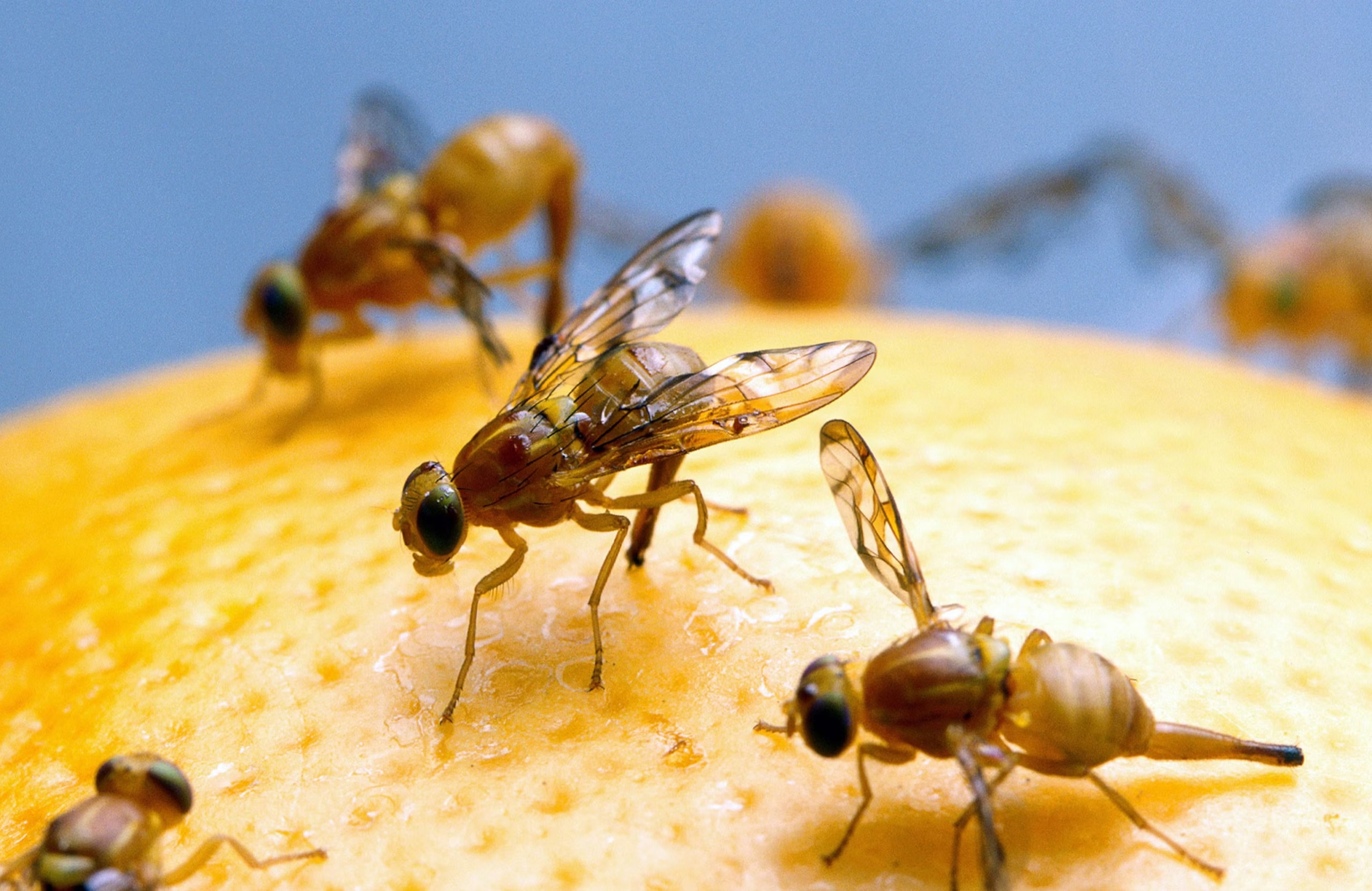
Fruit flies are a common problem in many households, especially during warmer months. These tiny insects often appear around ripe fruits, open food containers, and kitchen drains. While they may seem harmless, fruit flies can carry bacteria like E. coli, which can contaminate food and surfaces. Their rapid breeding makes them difficult to control once they settle in.
Experts warn that fruit fly infestations can grow quickly if left unchecked. They are drawn to fermenting food, sugary liquids, and damp places. Removing their food sources is crucial, but using simple household remedies can help eliminate them more effectively.
One popular method uses leftover wine or beer. According to pest experts at The Horse’s Mouth, this trick can help trap and kill fruit flies. To try it, pour about two centimeters of old wine or beer into an empty bottle. Add a drop of washing-up liquid and place the bottle upright near the affected area. The sweet smell attracts the flies, and the soap breaks the liquid’s surface tension, causing the flies to sink and drown. Experts rate this method 7 out of 10 for effectiveness, and many households find it easy and inexpensive.
Another effective approach involves white vinegar. The Residence Collection describes white vinegar as a “surprising hero” in repelling pests, including fruit flies. To make a simple spray, mix equal parts white vinegar and water in a spray bottle. Add a few drops of peppermint or lavender essential oil to improve the scent. Spray this mixture around window frames, sills, and corners to create a natural barrier. This solution not only helps keep fruit flies away but also repels ants and spiders. It is safe, affordable, and leaves the home smelling fresh.
Citrus peels are also useful for deterring fruit flies. Placing orange or lemon peels near fruit bowls or bins can help repel these insects. The strong citrus scent disrupts their ability to find food. Replace the peels every few days to maintain their strength and prevent mold growth.
While these remedies target fruit flies, they can also discourage other pests. Peppermint oil, for example, is highly effective against rats. DIY expert Simon Wardle from Armstrong Supplies recommends soaking cotton balls in peppermint oil and placing them at entry points, cracks, and gaps around the home. Rats have a powerful sense of smell and find peppermint overwhelming. This method is eco-friendly, humane, and avoids the use of harmful traps or chemicals. Replacing the oil every few days keeps its scent strong and effective.
Black pepper is another surprising deterrent for rats. Property specialists at Garolla note that its sharp smell irritates rats and discourages them from entering. Like peppermint oil, it does not harm the animals but drives them away, making it a safe alternative for households.
These natural methods offer practical and safe ways to handle pests without using toxic chemicals. They are easy to prepare, inexpensive, and can be done using common household items. For fruit flies, consistent use is key. Clean up food spills quickly, store fruits in sealed containers, and take out garbage regularly. Combining good hygiene with these natural repellents can keep infestations under control.
Fruit flies may be small, but they can cause big problems if ignored. Acting early and using simple remedies like wine traps, vinegar sprays, citrus peels, and essential oils can protect your home. With a little effort, you can enjoy a cleaner, pest-free kitchen and prevent these insects from returning.
Discover the unique beauty and meaning of the Queen of the Night flower in our detailed guide. Learn how to care for this rare bloom and help it thrive.