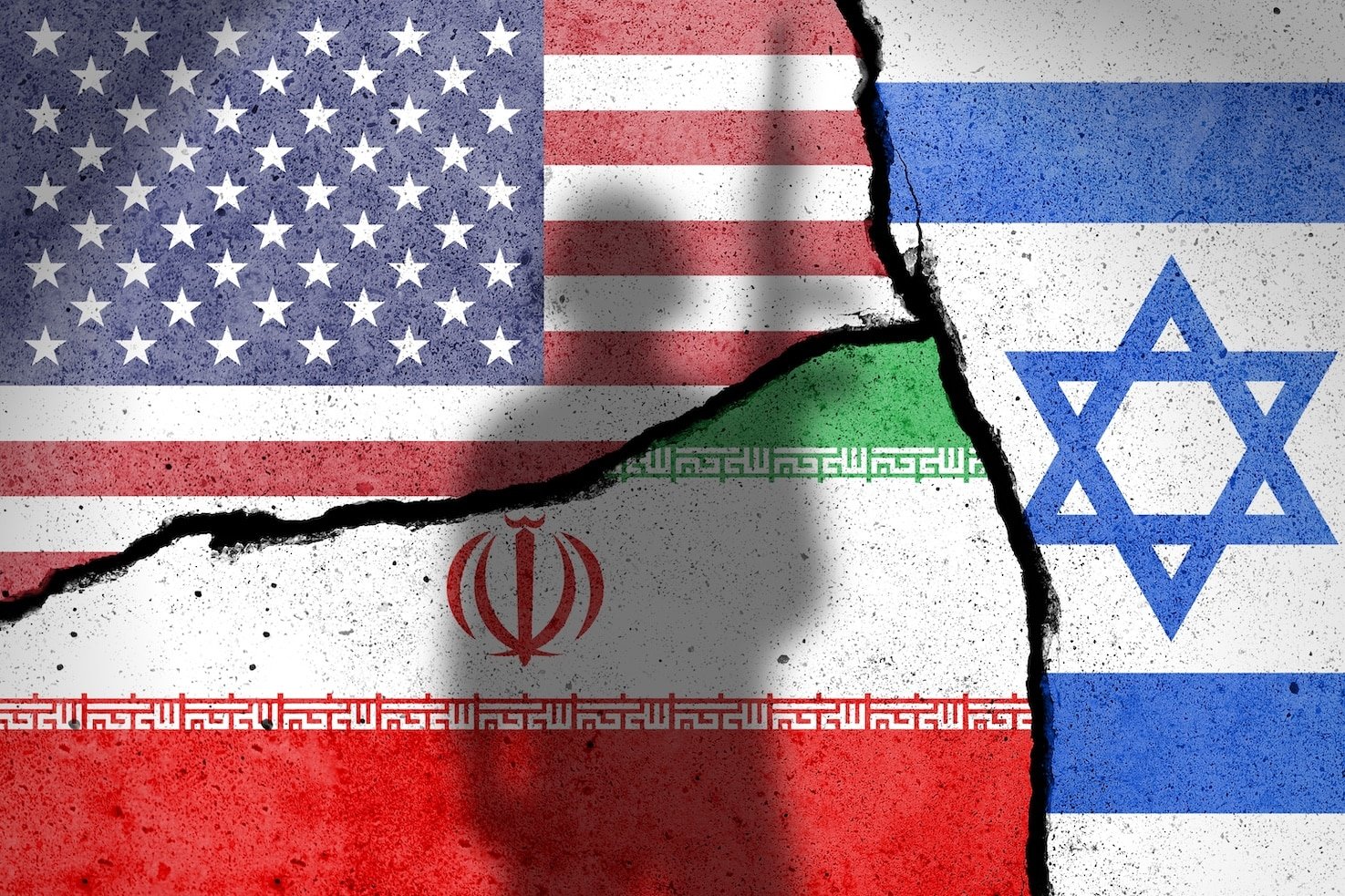
Web Desk: US President Donald Trump has issued a 48-hour ultimatum to Iran to reopen the Strait of Hormuz, intensifying pressure as the conflict between the two countries enters a volatile new phase marked by military escalation and diplomatic uncertainty.
The warning, delivered on Saturday via social media, underscores growing tensions over the strategic waterway, a vital artery for global oil shipments.
Trump said Iran must immediately restore access to the Strait of Hormuz or face sweeping military consequences. The president framed the deadline as a continuation of earlier demands, signalling that time for negotiations is rapidly closing.
The threat followed his recent address to the nation in which he claimed US forces had severely weakened Iran’s military and economic capabilities. He described Iran’s defences as significantly degraded and asserted that American forces maintain overwhelming superiority.
However, Iran swiftly dismissed the ultimatum. Senior military officials in Tehran criticised Trump’s remarks, calling them reckless and indicative of mounting pressure on Washington.
A statement from Iran’s central command warned of severe retaliation, mirroring the sharp tone used by the US president. The exchange highlights deepening hostility as both sides escalate their rhetoric alongside military actions.
Meanwhile, fighting on the ground and in the air continues to intensify. Iranian media reported that coordinated US and Israeli strikes targeted petrochemical facilities in the south-western province of Khuzestan on Saturday.
According to local officials, multiple sites were hit, triggering powerful explosions in an industrial zone near Mahshahr. At least five people were killed and more than 170 injured, with emergency teams rushing casualties to nearby hospitals.
Additional reports indicated damage to infrastructure near a nuclear facility in Bushehr, where at least one civilian was killed. In Tehran, strikes reportedly affected academic and research centres, disrupting operations and raising concerns about broader impacts on civilian infrastructure.
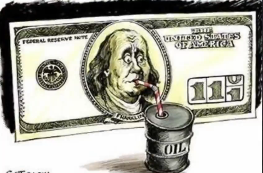
Since the conflict began in late February with joint US-Israeli strikes, thousands have been killed and key economic routes disrupted. Global oil markets have reacted sharply to the uncertainty surrounding the Strait of Hormuz, with prices rising amid fears of prolonged instability.
The Pentagon said hundreds of US service personnel have been injured during operations tied to the conflict, reflecting the sustained intensity of the campaign.
At the same time, the US military continues high-risk missions in the region. Efforts are ongoing to recover a missing crew member from a fighter jet downed over Iran, marking a rare instance of an American aircraft loss in hostile territory during the war.
Despite the escalation, diplomatic channels remain open. Regional mediators, including Pakistan, Turkey and Egypt, are working to bring both sides back to negotiations.
Iran’s foreign minister has indicated willingness to engage in talks, suggesting a possible path towards de-escalation even as hostilities persist.
Earlier, Trump had delayed planned strikes on Iranian infrastructure, citing ongoing discussions. However, his latest ultimatum signals diminishing patience and raises the prospect of further military action if no agreement is reached within the stated timeframe.
Read more: Pakistan, Bahrain foreign ministers discuss regional tensions, stress diplomacy