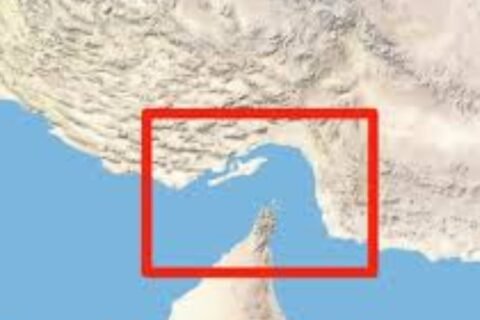
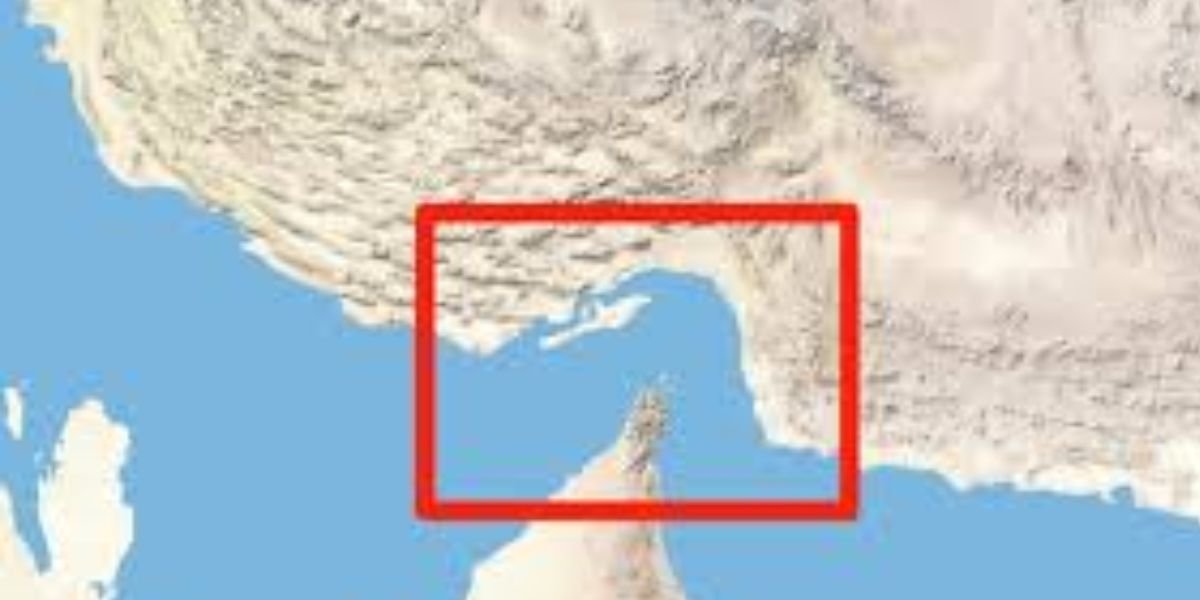
Web Desk: Iran announced on Wednesday that it will permit the safe passage of non-hostile vessels through the Strait of Hormuz, provided they adhere to specific security protocols and remain uninvolved in aggressive actions against the Islamic Republic.
A statement issued by Iran’s mission to the United Nations confirmed that ships may navigate the strategic waterway by maintaining coordination with relevant Iranian authorities. However, the mission stopped short of detailing the exact nature of these new security regulations.
The Strait of Hormuz serves as the world’s most critical energy chokepoint, facilitating the transit of approximately 20 percent of global oil and liquefied natural gas (LNG). Maritime traffic in the region has faced severe disruptions following the outbreak of hostilities between Iran, the United States, and Israel.
Recent data highlights a dramatic collapse in transit volume. While the passage previously averaged 120 vessels per day prior to the conflict, current figures show a decline to just a handful of ships. Monitoring reports recorded only five vessels moving through the strait on Monday, a slump that continues to rattle global trade and energy supply chains.
Economic analysts warn that the bottleneck has already triggered a surge in global oil prices. Experts suggest that a prolonged de facto closure of the strait could drive crude oil prices to between $150 and $200 per barrel.
This diplomatic opening coincides with claims from U.S. President Trump regarding ongoing negotiations to end the war with Iran. While Tehran has previously denied similar assertions of direct talks, the prospect of a de-escalation has already influenced financial sectors. Asian stock markets rallied following reports of a potential peace framework, while Brent crude prices experienced a temporary dip as traders reacted to the possibility of renewed maritime stability.
Read more: PM Shehbaz Sharif reaffirms unwavering support to Mohammed bin Salman in phone call