


Web Desk: The Economic Coordination Committee (ECC) of the cabinet approved a Rs4.4 billion budget on Monday to cover medical and pension liabilities for retired employees of Pakistan International Airlines (PIA). This financial support follows the airline’s recent privatization and ensures the settlement of long-standing obligations.
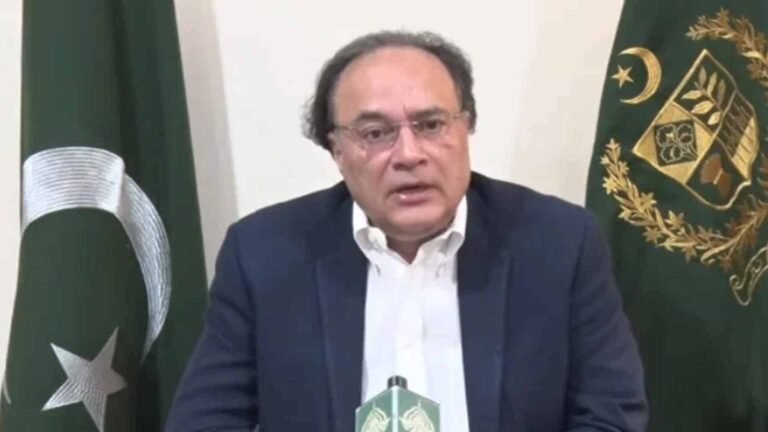
Finance Minister Muhammad Aurangzeb presided over the meeting, where members addressed several critical financial and trade policies. During the session, the committee cleared a request from the Ministry of Defence to allocate funds toward PIA Holding Company Limited.
This funding aims to resolve liabilities of the national flag carrier even as the government transitions 75% of its stakes to private ownership for Rs135 billion. Furthermore, the ECC approved an additional Rs455 million for salary payments at the Precision Engineering Complex, a unit recently separated from the airline.
However, the meeting highlighted a significant divide regarding the national economic outlook. The Planning Commission briefed the committee that inflationary pressures are showing signs of moderation and price stability is improving due to federal and provincial coordination.
In contrast, the State Bank of Pakistan (SBP) raised interest rates by 1% to 11.5% on the same day. The central bank warned that inflation is likely to rise above target ranges in the coming quarters due to global supply shocks.
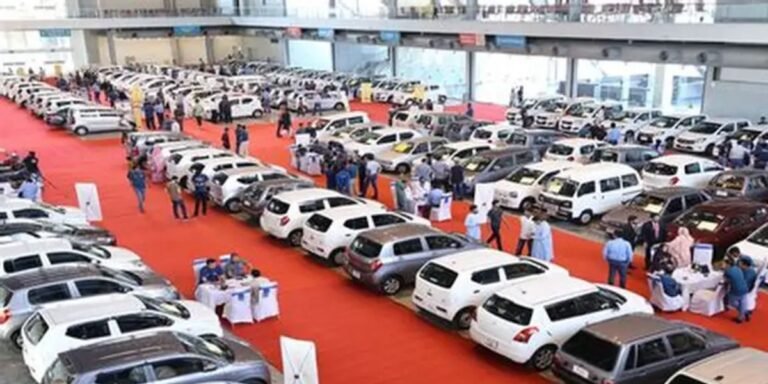
Beyond aviation and finance, the ECC introduced a new trade framework allowing the temporary import of used vehicles and auto parts. Under this pilot project, businesses can import these goods for repair and refurbishment provided they are subsequently re-exported.
Officials noted that these items cannot be sold or transferred within the local market. The committee also expanded this policy to include plant machinery and other equipment.
Meanwhile, the government addressed several administrative and international commitments. The committee approved a Rs311 million grant to fund an incentive package for police and administrative officers serving in Balochistan to offset the challenges of working in remote areas.
Additionally, the ECC imposed a ban on the import of goods produced through forced labor to align with international GSP Plus requirements.
In a separate move to manage existing inventories, the ECC authorized the export of donkey meat and hides from the Gwadar Donkey Slaughter House. Finally, the committee approved a reward of Rs30 million for the national hockey team to celebrate their qualification for the FIH Hockey World Cup.
Read more: New Zealand skilled migrant visa: requirements and eligibility