No cancellation order, leaked document or government decision exists; 4,500MW project remains part of power plan
The claim circulating on social media that the Diamer-Bhasha Dam project has been cancelled has been found to be contrary to available facts.
The report was amplified by some foreign-based accounts associated with PTI and Indian social-media accounts, citing an alleged leaked document. However, no verifiable copy of the purported document, formal cancellation order or government decision has been presented to substantiate the claim.
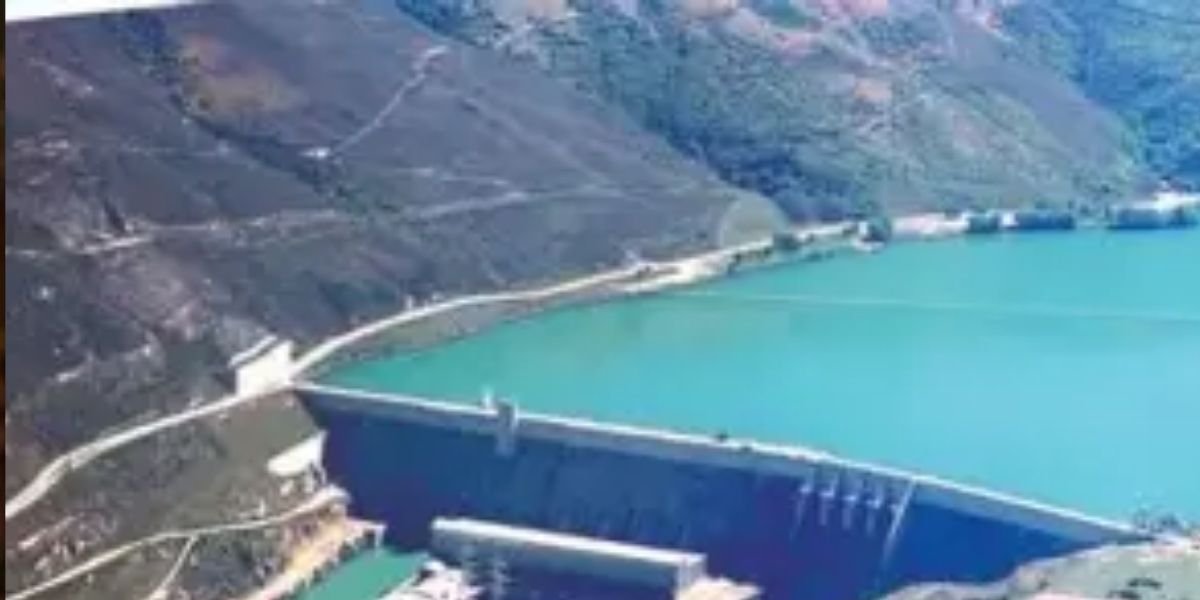
According to available official power-planning records, the 4,500MW Diamer-Bhasha Dam project remains included in Pakistan’s 2025–35 generation plan, with its power-generation units planned for integration into the national electricity system.
Authorities have also indicated that the required generation and transmission infrastructure for integrating electricity from the project into the national grid forms part of future power-sector planning.
The case highlights how an unverified claim, an alleged confidential document and a sensational headline can be amplified through social media. Once an allegation is posted by one account, other accounts may repeat it without independent verification, creating the impression that an unconfirmed report has become established news.
Experts say claims concerning the cancellation of a major national project should be verified through an official government notification, decision of the relevant authority or authentic primary documentation, rather than relying solely on unnamed sources or purported leaked documents.
The role of the Economic Affairs Division (EAD) is also relevant in this context. EAD deals primarily with external assistance and financing matters; therefore, developments concerning a project’s financing should not automatically be interpreted as a decision to cancel the project.
With the Diamer-Bhasha Dam remaining part of Pakistan’s long-term water and power planning, claims of its cancellation without official documentary evidence risk creating unnecessary confusion regarding the country’s energy, water and economic plans.