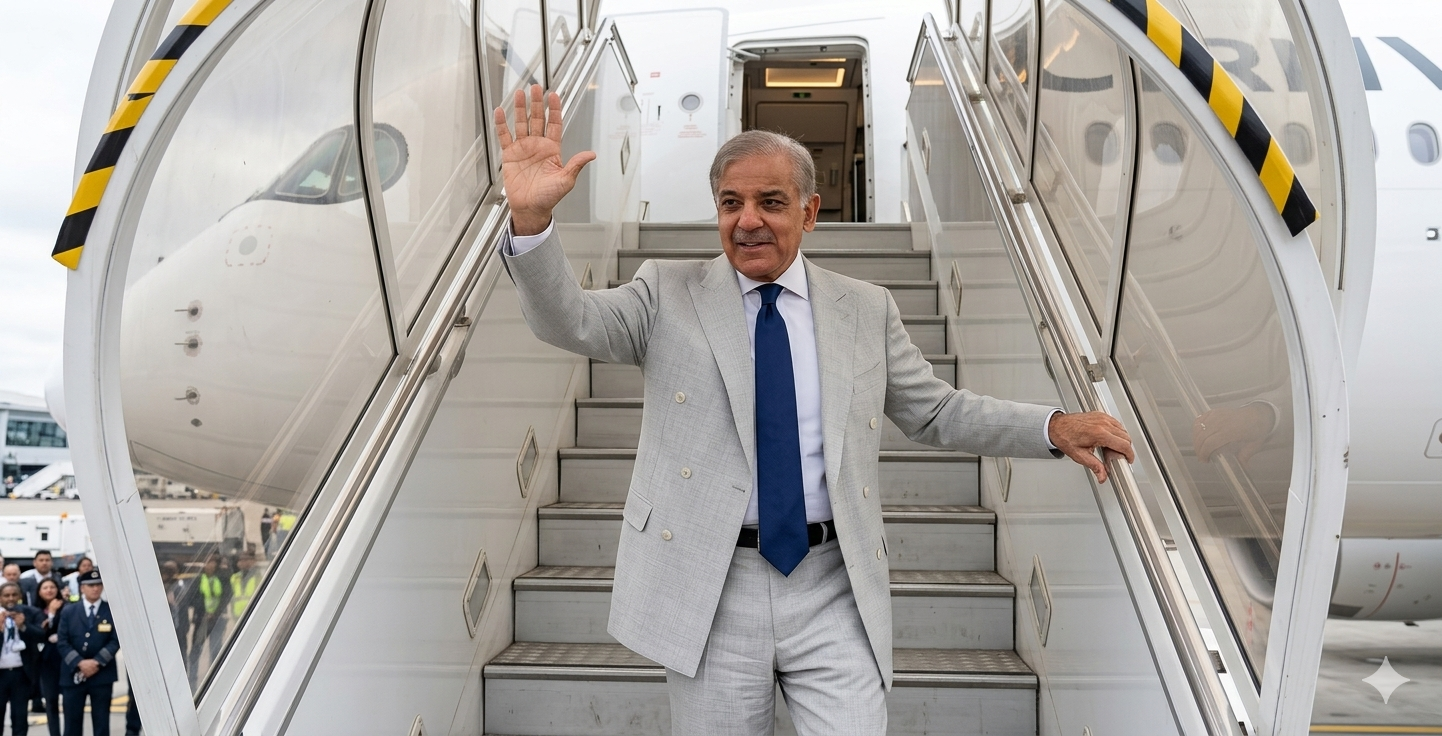
Web Desk: Pakistani Prime Minister Shehbaz Sharif will visit China this week for talks on regional security, trade and strategic cooperation amid growing tensions linked to the Iran conflict.
The visit comes as Beijing increases diplomatic engagement with major world leaders. U.S. President Donald Trump and Russian President Vladimir Putin recently visited China for separate meetings.
Chinese President Xi Jinping and Sharif will discuss trade, investment and economic cooperation, officials said. Islamabad wants stronger Chinese support as Pakistan works to stabilize its economy.
The leaders will also discuss regional security and the impact of the Iran conflict on energy routes. China imports large volumes of oil and gas from the Middle East through the Strait of Hormuz.
Beijing has increased coordination with Pakistan as tensions threaten regional energy supplies. Analysts say China views Pakistan as a reliable strategic partner in South Asia.
Pakistan shares a border with Iran and maintains close relations with Gulf states and the United States. In recent months, Islamabad has also supported diplomatic efforts aimed at reducing tensions in the region.
China and Pakistan have jointly called for restraint and a ceasefire. Both countries continue to support diplomatic solutions to avoid wider regional instability.
Sharif last visited China in September. He attended a military parade in Beijing alongside Putin and North Korean leader Kim Jong-un.
China also values its ties with Pakistan because of its rivalry with India. Beijing sees Islamabad as an important strategic partner in South Asia.
Security cooperation will remain a key topic during the visit. Chinese officials continue to seek stronger protection for Chinese nationals working in Pakistan.
The two countries may also discuss defence cooperation. China has supplied missile systems, submarines and fighter jets to Pakistan in recent years.
Analysts say the visit highlights China’s effort to strengthen regional alliances while protecting its economic and security interests.
Read more: How shake-up in US green card policy affect thousands?