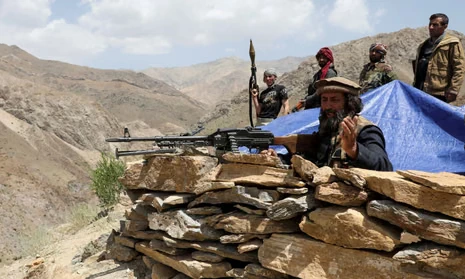
Islamabad: Resistance activity against Afghanistan’s Taliban government resurfaced in Panjshir Valley, where two security checkposts were hit by explosions, killing at least eight Taliban fighters and injuring four others.
Explosions Hit Central Outpost
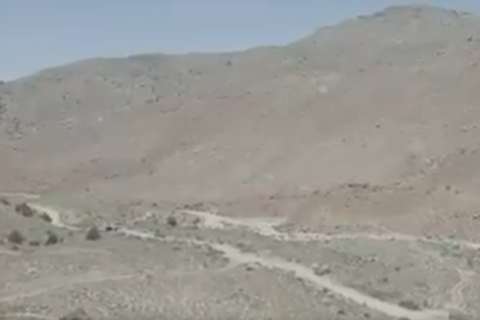
The blasts struck around 7:40 p.m. in the Manjinsto area of Abdullah Khel Valley, where one of the Taliban’s central outposts is located. Local outlets reported that the explosions occurred inside a compound owned by a man known as Mawlavi Malik.
Following the attack, Taliban forces cordoned off parts of the valley, shut down access routes, and began interrogating local residents as part of a sweeping security search.
No Claim of Responsibility
So far, no militant outfit has claimed responsibility, and Taliban officials have not issued any public statement. However, in recent years, attacks against Taliban forces in Afghanistan have typically been attributed to Islamic State Khorasan Province (ISKP) in various regions, while local resistance groups have remained active specifically in Panjshir.
Valley With a Long History of Defiance
Panjshir remains the only region where armed resistance against the Taliban has persisted since the group’s return to power in August 2021. Throughout the past year, frequent explosions and ambush-style attacks have continued, signaling unresolved opposition despite the Taliban’s tight control.
The valley has a long history of defiance. In the 1970s and 1980s, resistance fighters in the nearby Mahmud Dara region famously challenged Soviet forces. Later, Ahmad Shah Massoud nicknamed the “Lion of Panjshir” led strong resistance against the Taliban’s first government, making the valley a key stronghold until his assassination by suicide bombers posing as journalists.
Resistance Legacy Endures
Even during the governments of Hamid Karzai and Ashraf Ghani, Panjshir maintained a distinct identity while cooperating with the central authorities. Today, more than two years after the Taliban’s return, sporadic attacks continue to underline the valley’s enduring role as a symbol of resistance in Afghanistan.